Property developers face a critical challenge in today's digital marketplace: how do you convince buyers to invest in something they can't physically touch or walk through? The answer lies in photorealism—a technology that's fundamentally reshaping how potential buyers evaluate and connect with properties.
The Science Behind Split-Second Decisions
When a potential buyer opens a property listing, their brain makes crucial decisions in milliseconds. Research reveals that human brains process visual information 60,000 times faster than text, meaning your property's visual presentation determines whether someone scrolls past or stops to explore further.
This presents a significant problem for developers: traditional property photography often fails to capture the true essence of a space. Poor lighting, awkward angles, and limited perspectives create uncertainty in buyers' minds. When uncertainty creeps in, so does hesitation—and hesitant buyers rarely become committed purchasers.
Photorealistic visualization solves this fundamental disconnect between what buyers see and what they experience. Instead of leaving potential customers to fill in the gaps with imagination, photorealism provides crystal-clear, lifelike representations that eliminate guesswork.
Building Emotional Bridges Before Physical Visits
The most successful property sales happen when buyers form an emotional connection with a space. However, creating this connection through traditional marketing materials proves challenging for most developers.
Photorealistic 3D visualizations transform this dynamic entirely. When buyers can see realistic lighting streaming through windows, observe how furniture fits naturally in rooms, and visualize their daily routines within the space, they begin forming emotional attachments long before scheduling a viewing.
This emotional engagement directly impacts perceived value. Buyers who connect emotionally with a property consistently demonstrate willingness to pay premium prices. The space stops being just square footage and becomes their future home—a transformation that traditional property marketing struggles to achieve.
Solving the Off-Plan Property Dilemma
Developers working on off-plan properties face perhaps the greatest challenge: convincing buyers to invest substantial amounts in something that exists only on paper. Traditional blueprints and basic renderings often fail to inspire confidence, leading to prolonged sales cycles and reduced buyer interest.
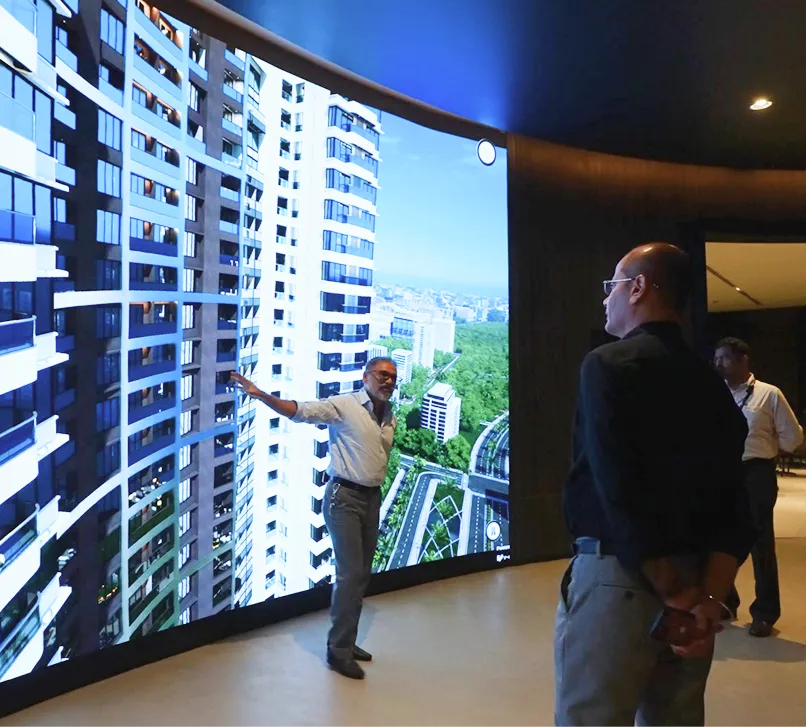
Photorealistic visualization addresses this challenge head-on by creating believable, immersive previews of unbuilt spaces. When potential buyers can virtually walk through their future living room, observe realistic views from their bedroom window, and see how natural light changes throughout the day, the property transforms from concept to reality in their minds.
This shift dramatically accelerates decision-making timelines. Buyers spend less time questioning what the finished product will look like and more time envisioning their lives within the space.
The Premium Price Effect
Market data consistently demonstrates that properties marketed with professional, photorealistic visuals command significantly higher prices than those relying on basic photography. This isn't simply about better marketing—it's about perceived value.
When buyers encounter high-quality, realistic visuals, they automatically associate the property with premium quality. The attention to detail visible in photorealistic renderings suggests similar attention in construction and finishing. This perception directly translates to increased willingness to pay asking prices without extensive negotiation.
Furthermore, properties with superior visual presentations typically sell 30% faster than comparable properties with standard photography. For developers, this means reduced carrying costs, improved cash flow, and faster project turnover.
Creating Trust Through Transparency
Buyer skepticism represents a major obstacle in property sales, particularly for developments still under construction. Potential purchasers worry about gaps between marketing promises and delivered reality.
Photorealistic visualization builds trust by providing transparent, accurate representations of future spaces. When buyers can examine realistic textures, lighting conditions, and spatial relationships, they develop confidence in the developer's ability to deliver as promised.
This trust-building aspect proves especially crucial for first-time buyers or investors purchasing in unfamiliar markets. Detailed, realistic visuals reduce anxiety and uncertainty, making the buying decision feel safer and more informed.
Maximizing Engagement Through Visual Storytelling
Traditional property marketing often treats visuals as afterthoughts—simple documentation of existing spaces. Modern buyers expect immersive experiences that help them understand not just what a property looks like, but how it feels to live there.
Photorealistic visualization enables developers to tell compelling stories about lifestyle and possibility. Buyers can visualize morning coffee on their balcony, evening gatherings in their living room, or peaceful moments in their bedroom. These scenarios create emotional narratives that drive purchasing decisions.
Interactive elements enhance this storytelling further. When buyers can adjust lighting conditions, change viewing angles, or see seasonal variations, they become active participants in exploring their potential future home.
The Competitive Advantage
In saturated property markets, differentiation becomes essential for success. Developers who embrace photorealistic visualization gain significant competitive advantages over those relying on traditional marketing approaches.
Superior visual presentation attracts more qualified leads, reduces time spent on unproductive showings, and accelerates sales cycles. Buyers who encounter photorealistic property presentations often become less likely to continue shopping with competitors, especially those offering inferior visual experiences.
Additionally, photorealistic marketing materials provide lasting value. High-quality visuals can be repurposed across multiple marketing channels, from websites to social media to print materials, maximizing return on investment.
Transforming Property Development Success
The shift toward photorealistic property marketing represents more than a technological upgrade—it's a fundamental change in how developers connect with buyers. Properties that look exceptional online attract exceptional buyers willing to pay exceptional prices.
For developers seeking to maximize returns, reduce sales timelines, and build stronger buyer relationships, photorealistic visualization has become an essential tool rather than an optional enhancement. The question is no longer whether to adopt these technologies, but how quickly you can implement them to stay ahead of evolving buyer expectations.
Modern property buyers make decisions based on emotion first, logic second. Photorealistic visualization speaks directly to that emotional decision-making process, creating the connections that transform prospects into purchasers and good properties into great investments.