.jpg)
Most property developers invest millions in creating beautiful spaces, only to struggle with a fundamental communication gap. Buyers can't truly understand how their future home will feel during their morning coffee ritual, afternoon work sessions, or evening wind-down time. This uncertainty creates hesitation, prolonged decision-making cycles, and ultimately, lost sales.
The problem becomes even more complex when dealing with off-plan properties or remote buyers who can't physically visit multiple times. How do you convince someone to invest in their dream home when they can't experience it across different moments of their daily life?
Why Every Hour Tells a Different Story
Morning Magic vs Evening Ambiance
A property's personality shifts dramatically throughout the day. That east-facing bedroom might flood with energizing morning light, perfect for early risers, but the same room could feel stark and cold during evening hours when families typically gather. Understanding these nuances helps buyers connect emotionally with spaces that truly match their lifestyle.
The Lifestyle Integration Factor
Today's buyers aren't just purchasing square footage; they're investing in a lifestyle. They need to visualize their daily routines within the space. Will the kitchen island serve as the perfect breakfast bar with natural morning light? Does the balcony transform into an ideal evening retreat as the sun sets? These details make the difference between a house and a home.
Practical Implications Beyond Aesthetics
Time-based visualization reveals practical considerations that traditional viewings miss. Heat patterns, glare issues, privacy concerns, and even neighborhood dynamics shift throughout the day. A seemingly quiet street during afternoon viewings might buzz with school traffic during morning and evening hours.
Breaking Through Traditional Limitations
The Multiple Viewing Approach
Progressive developers encourage buyers to experience properties at different times, but this approach has obvious limitations. Coordinating multiple visits is time-consuming, expensive, and often impractical for busy professionals or remote buyers. Weather conditions can also interfere with getting accurate impressions.
Digital Innovation Transforms Property Experiences
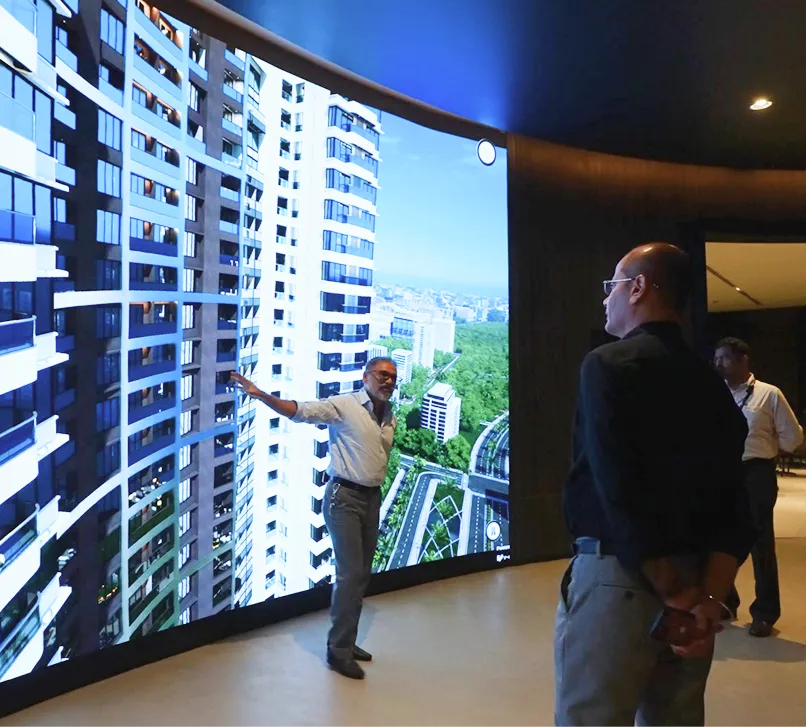
Technology now bridges these gaps in remarkable ways. Advanced visualization tools allow potential buyers to explore properties virtually while manipulating environmental conditions. They can adjust time settings to see how sunlight moves through rooms, modify weather conditions to understand year-round comfort, and even customize interior elements to match their personal style.
Immersive Virtual Environments
Modern virtual property tours go far beyond simple 360-degree photos. Sophisticated platforms create photorealistic environments that respond to user interactions. Buyers can virtually walk through spaces, sit in different areas, and observe how lighting and ambiance change throughout simulated days and seasons.
The Power of Dynamic Environmental Controls
Sunlight Simulation Technology
Advanced platforms now offer precise sunlight simulation based on geographic location, time of year, and weather conditions. Buyers can see exactly how shadows fall across their potential living room at 8 AM on a winter morning or how their home office will look during afternoon work sessions in summer.
Weather and Seasonal Variations
Comprehensive visualization includes weather effects and seasonal changes. Buyers can experience how their balcony feels during a gentle spring rain or how natural light filters through windows during overcast winter days. This level of detail helps them understand their property investment across all conditions.
Neighborhood Context Integration
Modern visualization tools don't stop at property boundaries. They integrate neighborhood mapping and amenity showcases, helping buyers understand connectivity, convenience, and lifestyle factors. This contextual approach reveals how the property fits within the broader community throughout different times and seasons.
Implementation Strategies for Success
Combining Physical and Virtual Experiences
The most effective approach blends traditional showings with advanced virtual tools. Physical visits provide tangible experiences, while virtual platforms fill gaps that single-time viewings cannot address. This hybrid approach maximizes buyer understanding while optimizing resource utilization.
Strategic Timing for Maximum Impact
When scheduling physical viewings, consider the property's best features at different times. Showcase morning-optimized spaces during early appointments and evening-friendly areas during later visits. Use virtual tools to demonstrate times that physical scheduling cannot accommodate.
Educating Sales Teams
Successful implementation requires sales teams who understand both the technology and the buyer psychology behind time-based visualization. Training should focus on identifying buyer lifestyle patterns and matching them with appropriate property features across different times.
The Future of Property Visualization
The real estate industry is moving toward comprehensive, buyer-centric experiences that remove uncertainty from property decisions. Developers who embrace these technologies position themselves as industry leaders while providing genuine value to their customers.
Time-based property visualization isn't just a technological novelty; it's becoming an essential tool for serious property developers who want to build trust, reduce sales cycles, and create truly satisfied customers. By helping buyers visualize their future homes across every hour of the day, developers bridge the gap between imagination and reality, creating confident decisions and lasting relationships.
The question isn't whether this technology will become standard practice, but how quickly forward-thinking developers will adopt it to gain competitive advantages in an increasingly sophisticated market.