%20(1).jpg)
The traditional approach of showcasing properties by highlighting square footage and floor plans no longer resonates with today's homebuyers. Modern purchasers, particularly millennials and working professionals, evaluate properties through a completely different lens—one that prioritizes daily convenience, commute efficiency, and neighborhood connectivity over simple spatial measurements.
This fundamental shift in buyer priorities creates a significant challenge for real estate developers. While you can easily quantify carpet area, how do you effectively communicate the intangible benefits of location, lifestyle, and long-term convenience? The answer lies in transforming how buyers experience and understand the complete residential ecosystem surrounding your properties.
Why Carpet Area Alone Falls Short in Today's Market
Traditional property marketing focuses heavily on technical specifications—square footage, room dimensions, and layout configurations. However, research consistently shows that buyers make emotional decisions first, then justify them with logical reasoning. A spacious apartment loses its appeal quickly if the daily commute becomes a source of stress and frustration.
Contemporary buyers evaluate properties as lifestyle investments rather than mere physical spaces. They ask questions like: "How will this location fit into my daily routine?" "What conveniences are within walking distance?" "How easily can I connect to different parts of the city?" These concerns directly impact their long-term satisfaction and, ultimately, their purchasing decisions.
Understanding Modern Buyer Priorities
Commute Efficiency Takes Precedence
Today's professionals spend significant portions of their lives traveling between home and work. A property's value extends far beyond its physical boundaries to include its strategic positioning within the urban transportation network. Buyers actively seek homes that minimize travel time and maximize transportation options.
Smart developers recognize that proximity to metro stations, bus routes, and major highways often outweighs additional square footage in buyer decision-making. The emotional and financial cost of extended daily commutes frequently becomes the deciding factor between comparable properties.
Lifestyle Convenience Drives Decisions
Modern families evaluate neighborhoods based on how seamlessly daily tasks can be accomplished. Access to grocery stores, pharmacies, healthcare facilities, and educational institutions directly impacts quality of life. Buyers want to understand not just what amenities exist nearby, but how easily they can be accessed during different times and circumstances.
The concept of walkability has evolved beyond simple distance measurements to include factors like safety, pedestrian infrastructure, and the overall experience of moving through a neighborhood on foot.
Transforming Location Benefits into Visual Experiences
Interactive Transportation Mapping
Rather than simply stating "close to metro station," progressive developers create comprehensive transportation visualizations. These tools allow potential buyers to explore multiple commute scenarios, understanding travel times during peak and off-peak hours to various destinations across the city.
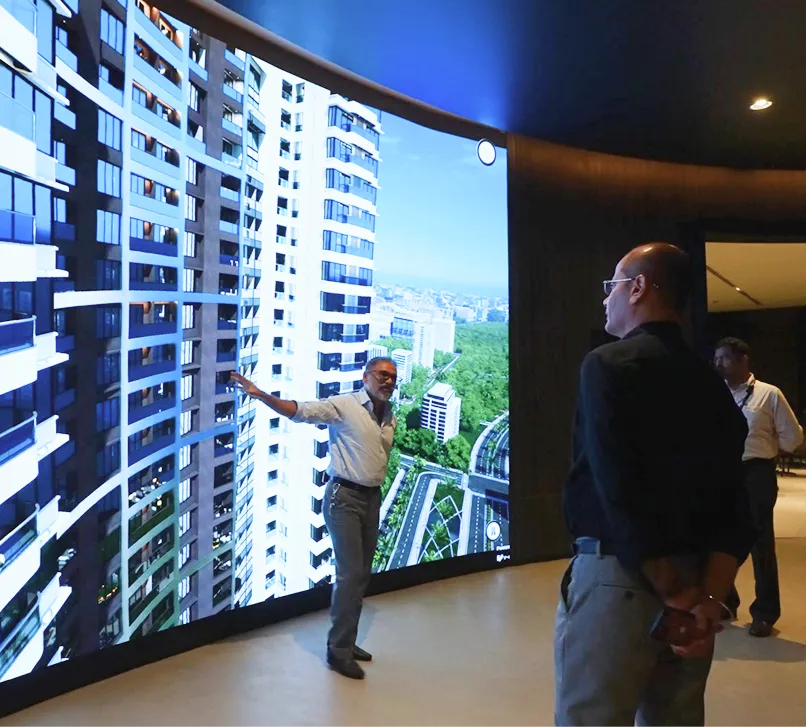
V-estate addresses this challenge by integrating real-time connectivity data with immersive property experiences. Buyers can visualize not just the apartment itself, but also understand how efficiently they can reach their workplace, their children's schools, or weekend entertainment options.
Comprehensive Neighbourhood Discovery
The most effective property presentations extend beyond the building boundaries to showcase the complete residential ecosystem. This includes current amenities, planned infrastructure developments, and emerging commercial areas that will enhance long-term property value and lifestyle convenience.
Dynamic Amenity Exploration
Static lists of nearby facilities fail to communicate the actual experience of living in a location. Advanced visualization tools allow buyers to virtually explore surrounding areas, understanding the practical aspects of daily life—from morning coffee shops to evening dining options, weekend recreation facilities to emergency services.
Creating Authentic Connection Through Technology
Modern buyers expect transparency and comprehensive information before making significant financial commitments. They want to explore properties and neighborhoods at their own pace, asking detailed questions and examining multiple scenarios without feeling pressured by traditional sales approaches.
V-estate transforms this expectation into opportunity by providing buyers with complete control over their exploration process. Through photorealistic 3D environments and detailed amenity mapping, potential purchasers can thoroughly understand both the property and its surrounding ecosystem before scheduling physical visits.
The platform's customization features—from interior design options to dynamic lighting controls—allow buyers to envision their specific lifestyle within the space, creating emotional connections that transcend simple spatial measurements.
The Business Impact of Comprehensive Visualization
conversion rates and reduced sales cycle times. When buyers can thoroughly explore and understand a property's complete value proposition independently, they arrive at purchase decisions more quickly and with greater confidence.
This approach also reduces the resources required for multiple property visits and extensive sales presentations. Qualified leads engage more efficiently, having already developed clear understanding and emotional connection to both the property and its location benefits.
Building Long-term Market Differentiation
Properties marketed with comprehensive lifestyle visualization maintain competitive advantages beyond initial sales periods. These marketing approaches create lasting impressions that support referral generation and brand recognition within target demographics.
The investment in advanced visualization technology pays dividends through improved customer satisfaction, reduced post-purchase concerns, and enhanced reputation within increasingly competitive markets.
For real estate developers ready to move beyond traditional carpet area marketing, the focus must shift toward creating comprehensive, immersive experiences that communicate the complete lifestyle proposition of each property and its surrounding environment.