.jpg)
Last month, I watched a seasoned sales director at a Pune-based developer lose a ₹3.2 crore penthouse deal. The prospect walked into the experience center, spent two hours asking detailed questions about amenities, floor plans, and views—then left to "think about it." Three weeks later, they bought from a competitor down the road.
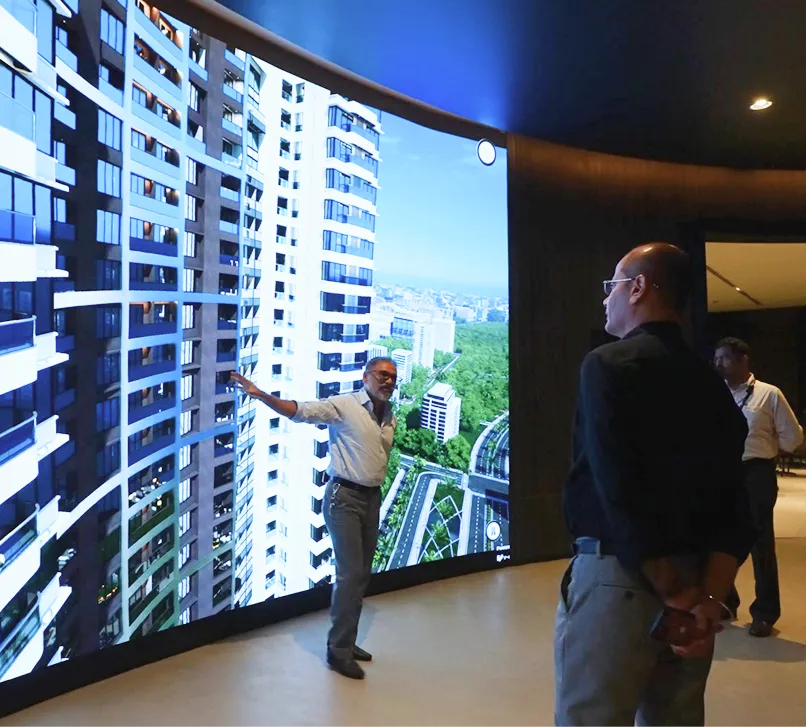
The difference? The competitor had interactive 3D walkthroughs that let the buyer see exactly how their evening coffee would taste with that specific 18th-floor view.
This isn't about fancy gadgets or tech for tech's sake. This is about survival in a market where your competition is already three steps ahead.
The Real Problem: Your Best Sales People Are Drowning in Paperwork
Walk through any developer's sales office today. Your top performer—the one who closed ₹50 crores last quarter—is hunched over Excel sheets, manually updating lead statuses and chasing approvals through WhatsApp groups.
Meanwhile, qualified buyers are standing in your experience center, trying to imagine what their ₹2 crore investment will actually look like. Static floor plans and basic renderings don't cut it anymore. Not when buyers can pull up satellite imagery, traffic patterns, and price comparisons on their phones within minutes.
What Actually Multiplies Sales Performance
Stop Wasting Your Veterans on Data Entry
Your ₹15 lakh annual package sales manager shouldn't spend 40% of their day updating CRM systems and scheduling site visits. That's junior executive work, but most developers still burden their best closers with administrative tasks.
When you automate routine follow-ups, lead scoring, and appointment scheduling, your experienced team members get back to doing what they do best: reading buyer psychology, handling complex objections, and closing high-value deals.
Real numbers from developers who've made this shift: sales teams increase face-time with prospects by 60% when administrative burden drops.
Give Buyers the Control They Already Expect
Today's property buyers aren't passive. They've researched your project online, compared your pricing with three competitors, and probably know your floor efficiency ratios better than your junior sales staff.
They want control over the buying experience. They want to walk through units at their own pace, visualize different layouts, and understand exactly what they're purchasing before signing that token amount check.
Interactive property exploration tools don't replace your sales team—they give your team credibility. When a buyer can see how morning light hits the master bedroom or how the kids' room connects to the family area, your sales professional becomes a trusted advisor rather than just another person with a brochure.
Use Data to Focus Efforts Where They Count
Here's what most developers get wrong: they treat every lead equally. Your sales team wastes time nurturing tire-kickers while qualified buyers slip through the cracks.
Smart sales systems identify behavioral patterns. Which prospects spent 15 minutes exploring the amenity deck? Who customized wall colors and furniture layouts? Who checked window views at different times of day?
These aren't vanity metrics. These are buying signals that let your sales team prioritize efforts on prospects actually ready to purchase.
The Numbers That Matter to Your CFO
Shortened Sales Cycles Mean Better Cash Flow
Every month a unit sits unsold costs money. Carrying costs, opportunity costs, and the constant pressure to offer discounts eat into margins.
Developers using immersive sales tools report 25-30% shorter sales cycles. Why? Because buyers can visualize their purchase decision. They're not going home to "think about it"—they're pulling out checkbooks in the experience center.
Higher Conversion Rates on Qualified Traffic
Your marketing team spends lakhs driving traffic to your sales office. What percentage converts? Industry average hovers around 3-4%.
Projects with interactive visualization tools see conversion rates of 8-12%. That's not incremental improvement—that's transformation.
Reduced Post-Sale Cancellations
Nothing destroys cash flow projections like buyers backing out during construction. When prospects truly understand what they're buying—down to the exact view from their bedroom window—buyer's remorse drops significantly.
Implementation Reality Check
Start with Your Highest-Value Projects
Don't roll out new sales tools across your entire portfolio. Start with your premium projects where technology investment creates the biggest impact on per-unit margins.
Train Your Team Before Launch
Your sales professionals need to understand how to leverage these tools, not just operate them. A ₹1 crore sales professional stumbling through technology demos kills deals faster than no technology at all.
Measure What Moves Revenue
Track conversion rates, sales cycle length, and average deal size—not time spent in virtual tours or clicks on floor plans. Technology succeeds when it drives business results, not engagement metrics.
The Competitive Reality
Your competitors are already implementing these systems. While you're debating ROI calculations, they're closing deals faster and with higher customer satisfaction scores.
This isn't about being an early adopter anymore. This is about staying competitive in a market where buyer expectations have fundamentally shifted.
The developers thriving in today's market combine experienced sales professionals with tools that multiply their effectiveness. They're not replacing human expertise—they're giving their best people the resources to close more deals, faster, with higher customer satisfaction.
The choice is simple: evolve your sales approach or watch qualified prospects sign with competitors who already have.