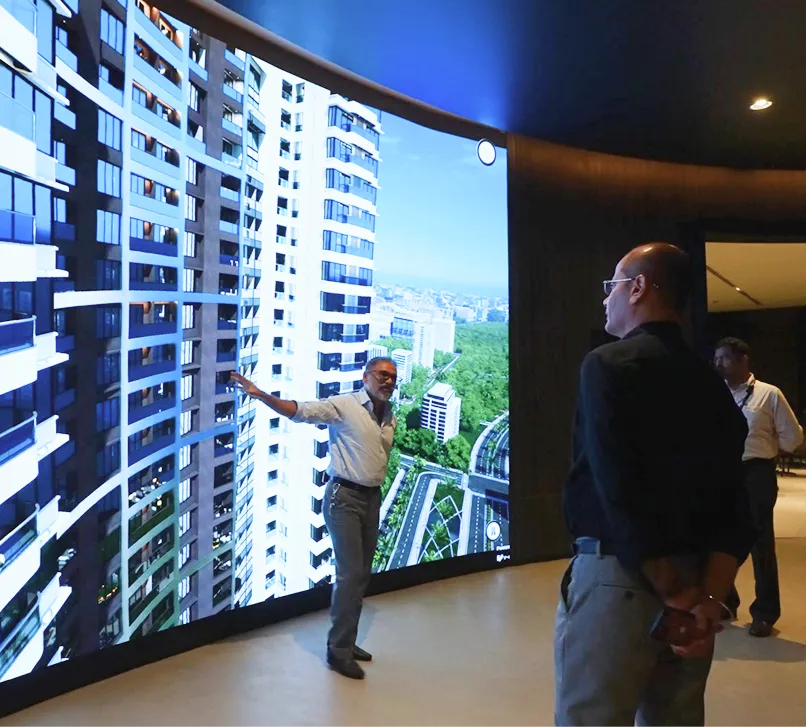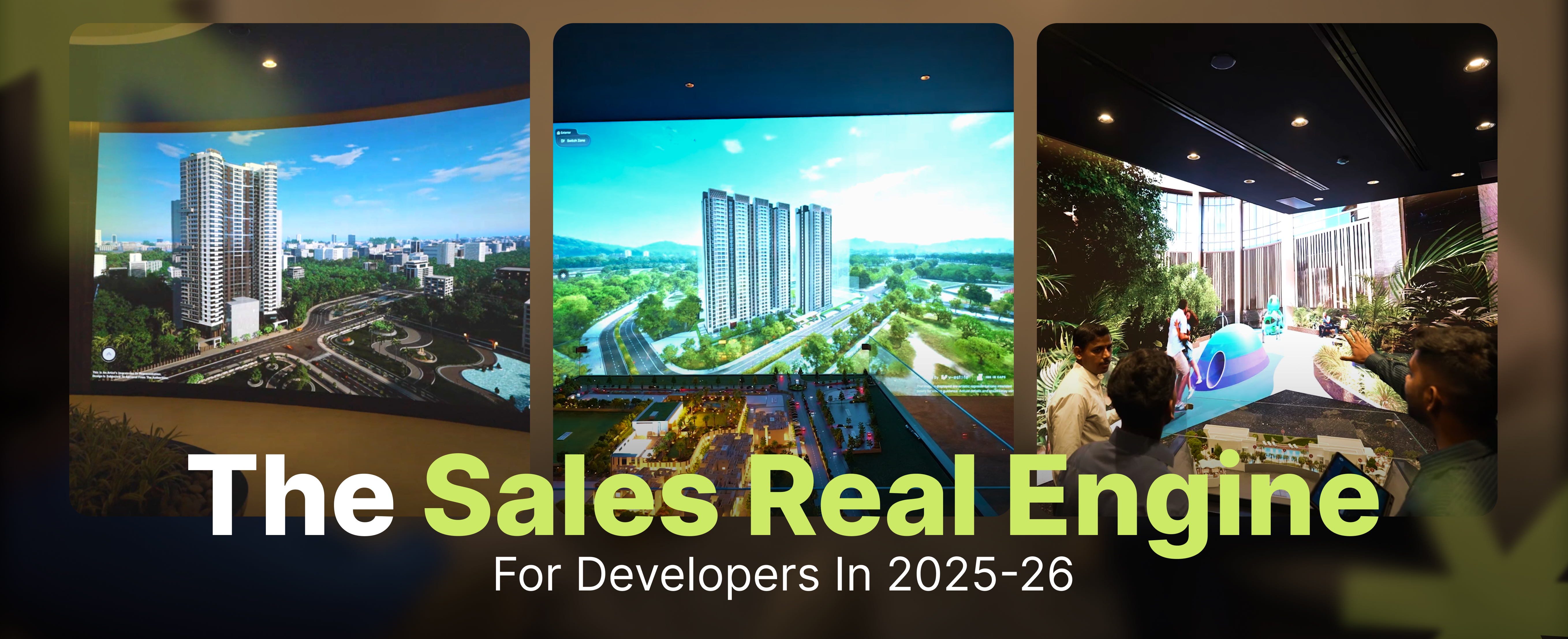
Experience centers are no longer optional infrastructure—they're the primary conversion mechanism in today's competitive real estate market, and developers who treat them as showroom décor miss the point entirely.
The Visualization Gap Killing Conversions
Buyers arrive with brochures, floor plans, and website renders, but they still can't visualize the property accurately, and this gap shows up consistently across every stage of the sales cycle.
Scale and proportion remain unclear because room dimensions on paper don't translate to spatial reality, and buyers struggle to understand how furniture fits or how rooms connect in actual living conditions.
Natural light behavior stays unknown since morning sun patterns, evening shadows, and ventilation flow influence daily living but remain invisible during site visits, leaving buyers unable to assess comfort factors.
Material and finish combinations create confusion when sample boards show options but buyers can't picture them in context, leading to decision paralysis that extends the sales timeline unnecessarily.
Unit differentiation becomes difficult when comparing similar configurations across floors or blocks, forcing buyers to request multiple visits just to retain basic details about what makes each unit distinct.
This uncertainty extends sales cycles, weakens purchase conviction, and forces sales teams into repetitive explanation loops that consume time without advancing decisions.
Offline Immersion Builds Buyer Conviction
Physical experience centers eliminate ambiguity through controlled, high-clarity environments that allow buyers to understand properties in their real context rather than through imagination.
The conversion impact is direct and measurable—buyers grasp the actual product faster, first-visit conviction rates improve significantly, and negotiation friction drops because understanding increases from the initial interaction.
Unit shortlisting happens with greater certainty when buyers can see comprehensive representations, and trust in developer execution strengthens when the sales environment demonstrates complete project transparency.
Sales teams shift from explaining basics to addressing genuine buying considerations, which improves conversation quality and moves prospects toward closure more efficiently.
Interactive Systems Inside Experience Centers
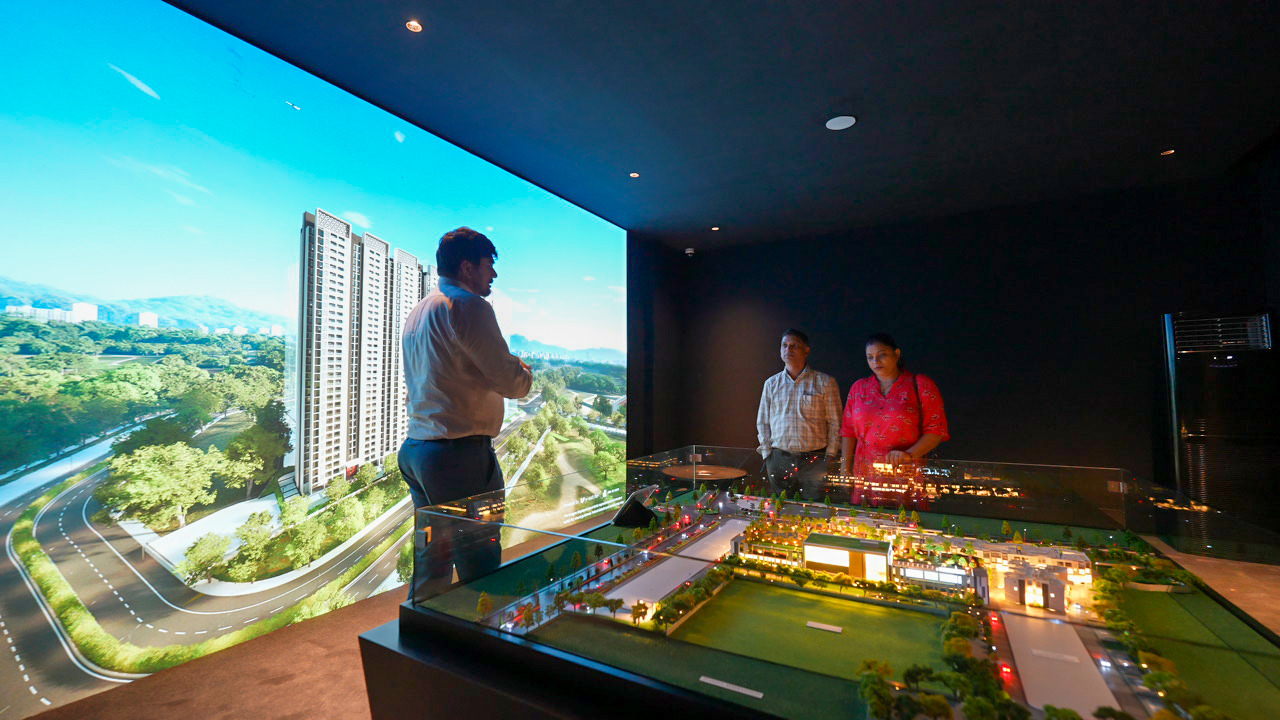
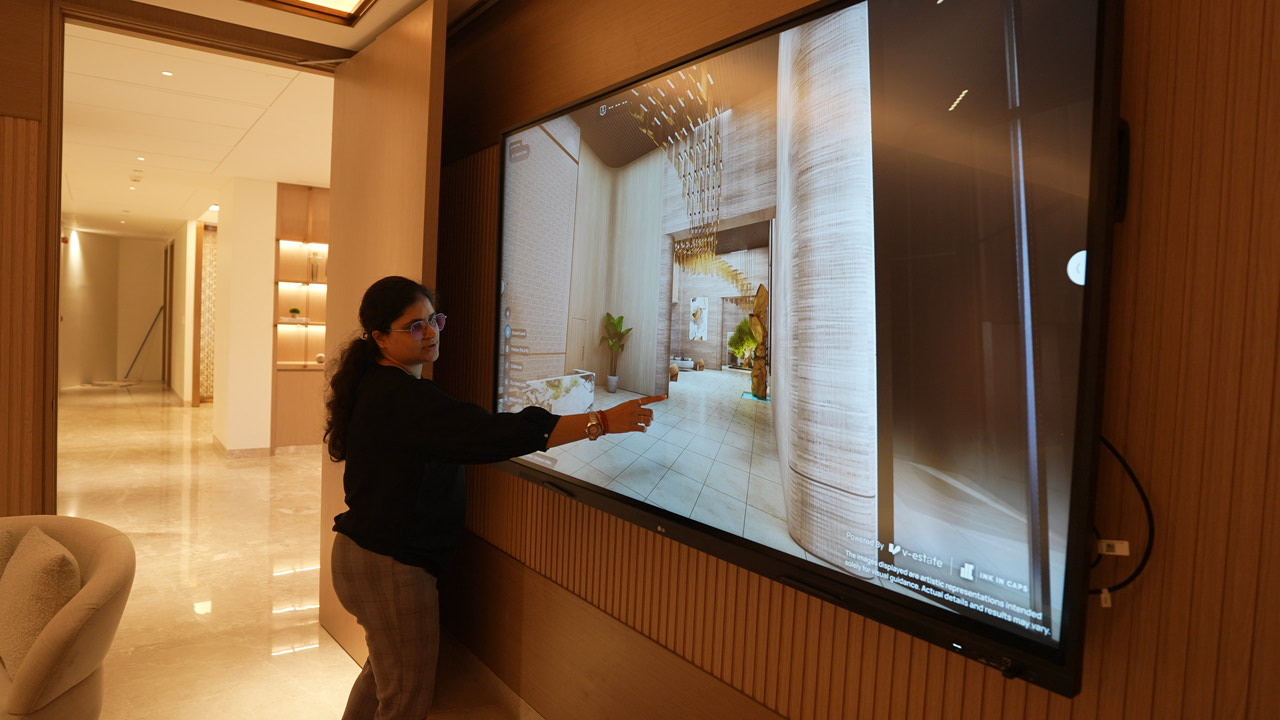
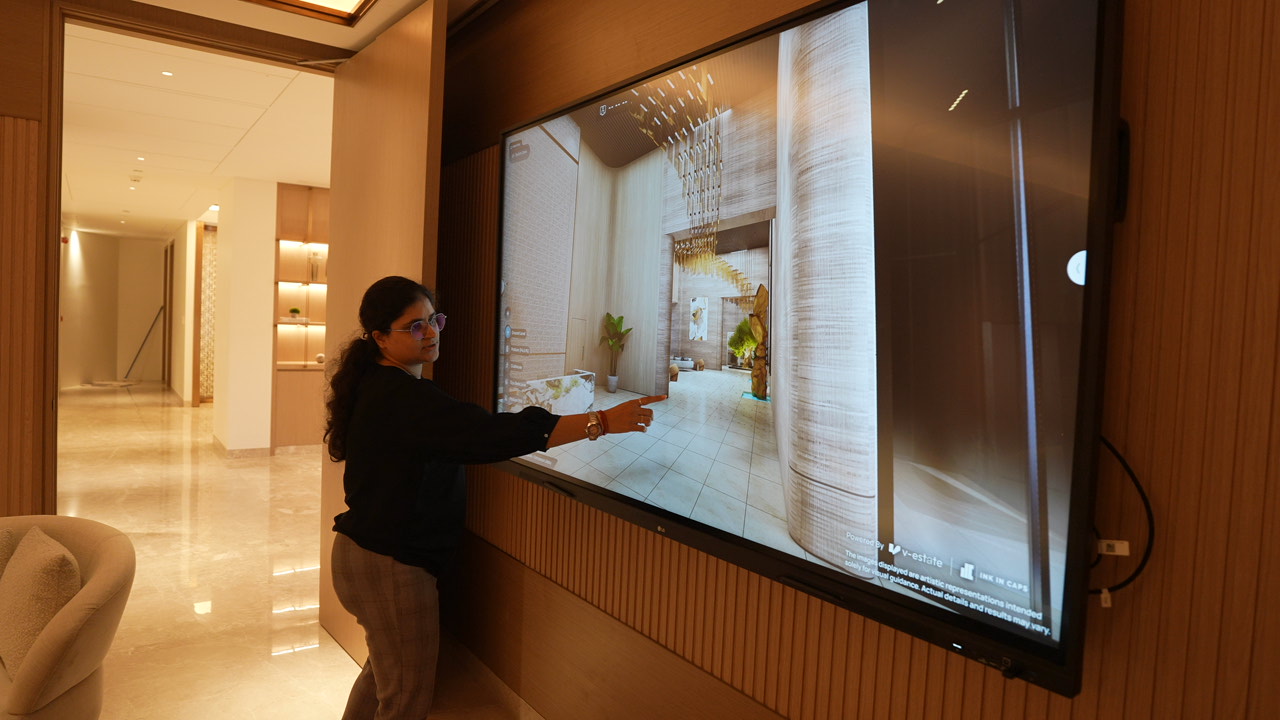
Modern experience centers integrate digital visualization tools within offline sales infrastructure, and this isn't about online marketing activation—it's about equipping physical sales centers with interactive capabilities that enhance buyer comprehension during face-to-face conversations.
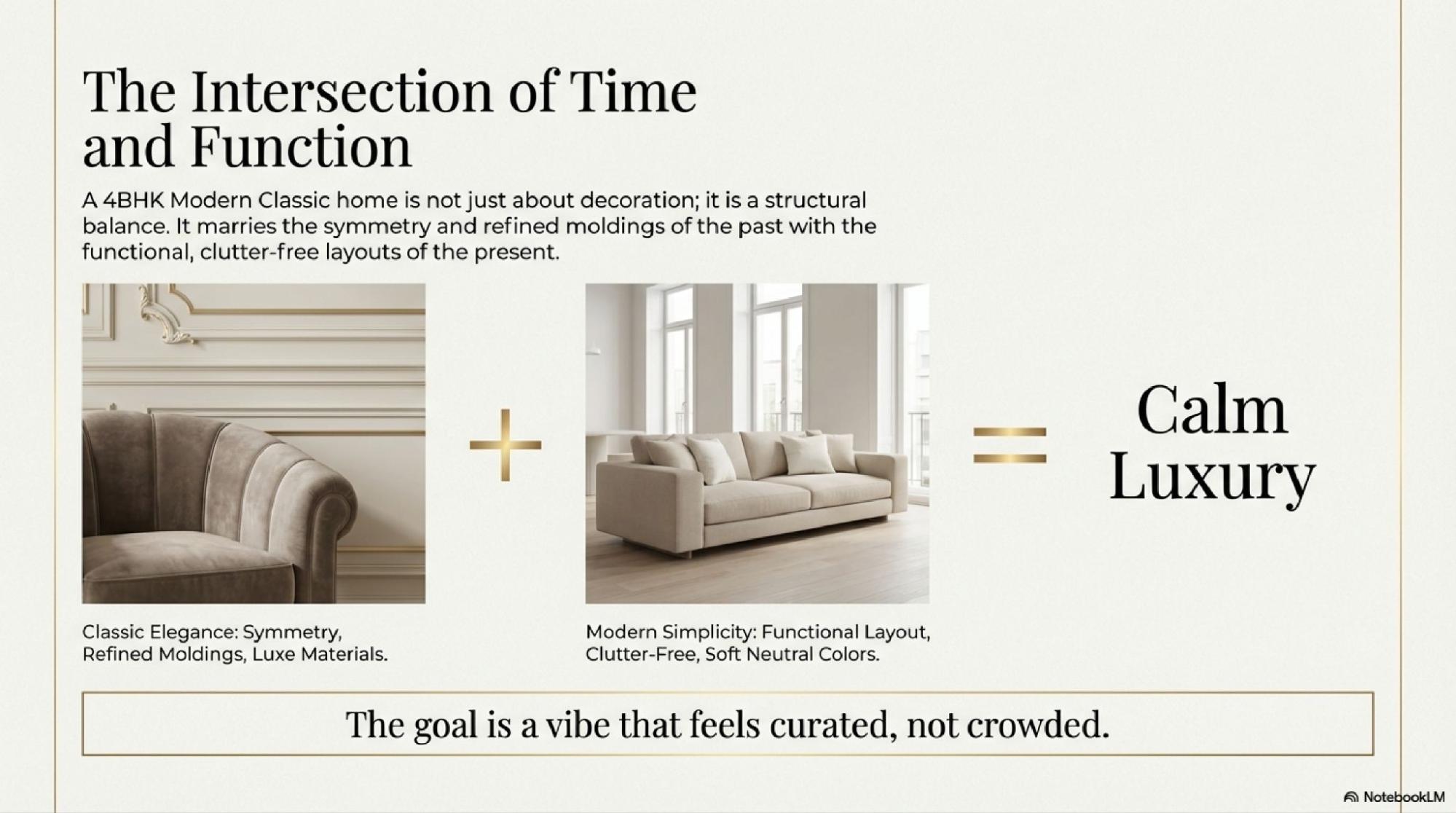
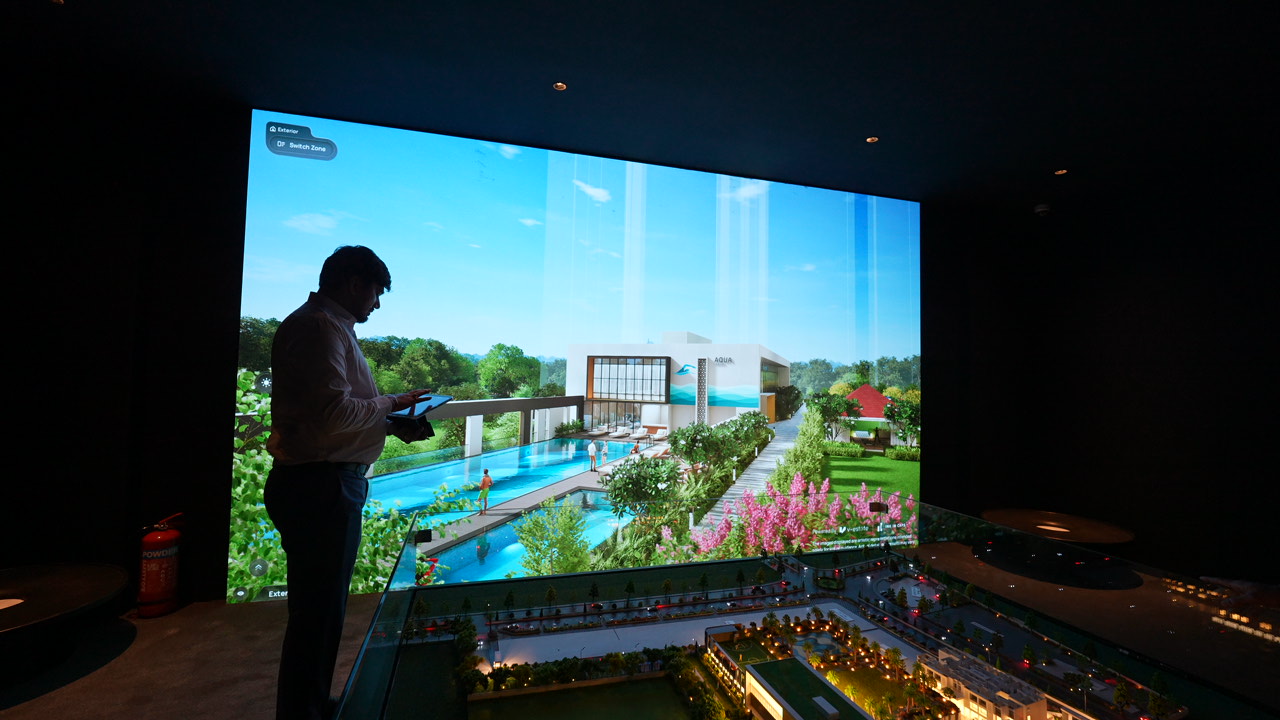
Photorealistic 3D environments show properties with material accuracy including floor finishes, corner detailing, balcony depth, and actual window views, so buyers see exactly what they're purchasing without relying on imagination or assumptions.
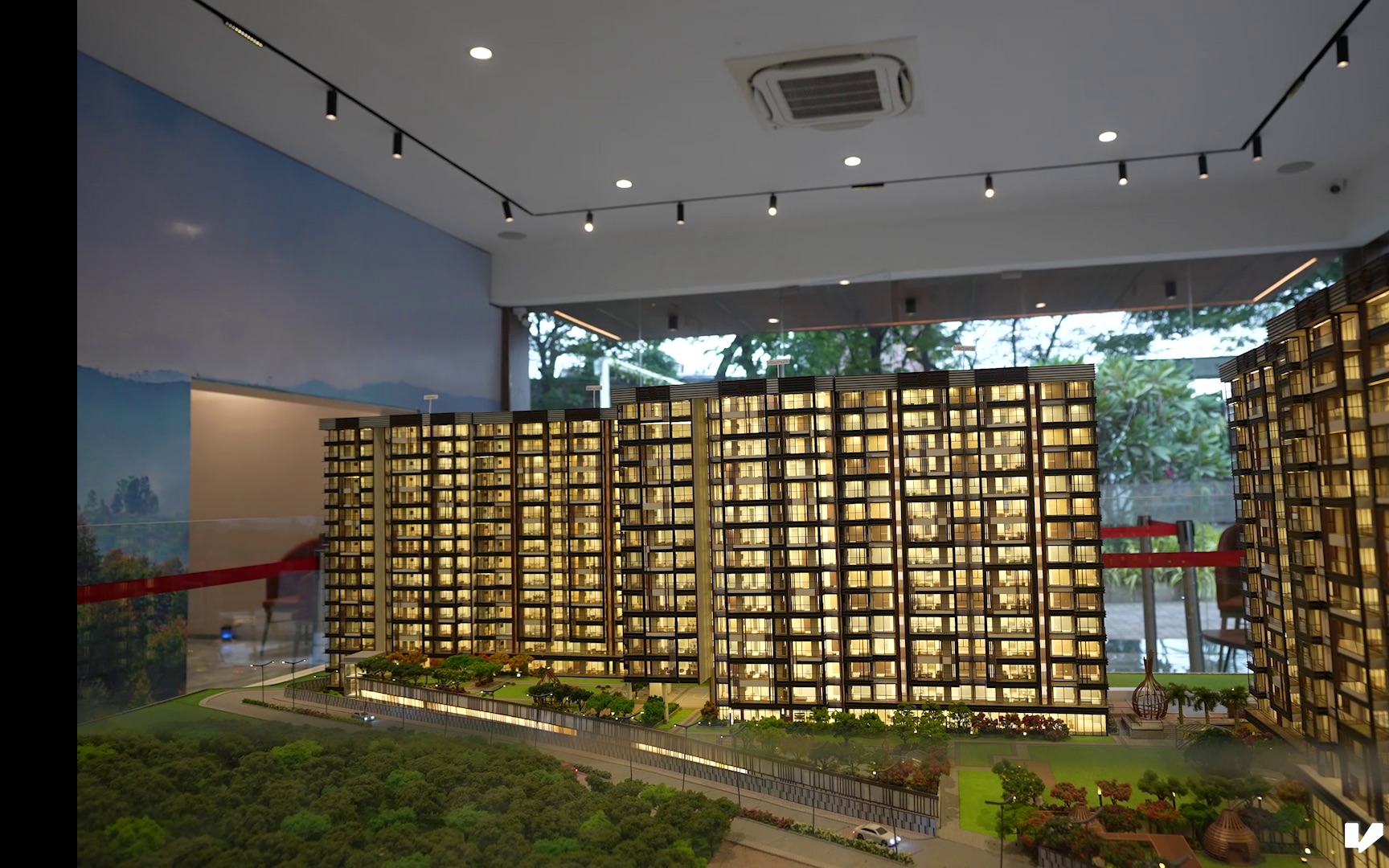
Complete amenity mapping clarifies distances, traffic patterns, facility locations, and project scale through interactive displays that answer spatial questions immediately rather than through verbal descriptions that buyers forget.
Neighborhood context displays surrounding developments, connectivity infrastructure, and planned projects so appreciation discussions become data-backed rather than speculative, giving buyers concrete information about future value potential.
Real-time customization lets buyers adjust paint colors, furniture layouts, finishes, and fixtures during the sales conversation, which creates ownership visualization immediately and helps them see the property as their future home.
Dynamic lighting scenarios demonstrate morning brightness, evening ambiance, and seasonal variations so buyers understand sun path, shade zones, and ventilation behavior across different times and conditions.
Buyers stop imagining possibilities and start evaluating actual conditions, which fundamentally changes the quality of purchase decisions and reduces post-booking surprises.
Sales Team Efficiency Gains
Advanced experience centers reduce operational friction in ways that directly impact team productivity and conversion rates across the entire sales process.
Physical sample flat dependency decreases because interactive visualization covers unit variations without requiring multiple constructed spaces, and walkthroughs become faster with deeper clarity than traditional site visits provide.
Follow-up visit requirements drop significantly when buyers gain comprehensive understanding during the first interaction, and upgrade conversations improve with visual differentiation that makes premium features immediately apparent.
Unit comparison discussions use visual evidence instead of verbal descriptions that buyers struggle to remember, and sales professionals spend more time closing deals and less time explaining layout basics repeatedly.
Competitive Separation in Micro-Markets
Buyers evaluate multiple projects within the same locality, and experience center quality creates immediate differentiation that influences final purchase decisions more than developers typically recognize.
Projects with interactive exploration capabilities project execution confidence that buyers interpret as developer credibility, and they reduce buyer uncertainty faster than traditional formats that rely on imagination and verbal explanation.
They create memorable sales experiences that stand out when buyers compare options across competing projects, and this memorability translates directly into preference when final decisions get made.
The gap between modernized sales infrastructure and legacy presentation methods widens significantly in 2025–26 as buyer expectations evolve faster than many developers adapt their sales environments.

Conversion Metrics That Matter
Structured, interactive experience centers drive measurable outcomes that show up consistently across projects that invest in this infrastructure.
Decision cycle compression happens naturally when buyers move from interest to shortlisting faster because visualization clarity removes the hesitation that comes from incomplete understanding.
Conversion rate improvement follows systematically when comprehensive product understanding increases purchase confidence and reduces the reasons buyers delay or abandon decisions.
Sales friction reduction shows up as fewer clarification requests, reduced negotiation intensity, and lower abandonment rates because buyers enter conversations with better baseline understanding.
Trust indicators strengthen measurably when developer credibility improves through sales environments that demonstrate investment in buyer experience rather than just marketing messaging.
The market rewards clarity consistently, and buyers choose projects where understanding comes without effort or repeated visits that consume their time and attention.
Implementation Considerations for 2025–26
When planning experience center upgrades, prioritize these elements that directly impact conversion performance rather than features that look impressive but don't influence buying decisions.
Visual accuracy must be non-negotiable because representations must match actual construction specifications, and material quality, spatial proportions, and view accuracy determine whether credibility builds or breaks during sales conversations.
Buyer control should drive interaction design so systems respond to buyer exploration preferences while sales teams guide rather than control the pace and depth of discovery.
Spatial understanding needs to be immediately clear so layout comprehension, room connections, and circulation patterns register without conscious effort or repeated explanation.
Lifestyle mapping matters more than technical specifications because amenity proximity, daily convenience factors, and future development context help buyers evaluate life experience rather than just property specifications.
Customization flexibility enables real-time adjustments to finishes, fixtures, and configurations during sales conversations, which accelerates personalization and helps buyers see themselves living in the space.
These capabilities translate directly into conversion performance rather than serving as impressive technology demonstrations that don't move buying decisions forward.
The Infrastructure Shift
Experience centers now function as sales engines rather than support elements, and this shift changes how developers should evaluate their sales infrastructure investments.
Developers investing in interactive, offline visualization infrastructure gain tangible advantages that show up in sales velocity, conversion rates, and buyer satisfaction scores across the entire sales cycle.
Shorter decision cycles, higher conversion rates, reduced sales friction, and stronger buyer relationships follow systematically when experience centers deliver comprehensive understanding efficiently.
The future belongs to clarity-driven, immersive, buyer-controlled sales environments that eliminate uncertainty rather than managing it through follow-up conversations and repeated site visits.
Ready to modernize your sales infrastructure? Evaluate interactive visualization systems designed for offline experience center deployment that focus on visual clarity, spatial accuracy, and buyer-controlled exploration. The competitive gap is widening in 2025–26, and your sales center either accelerates conversions or slows them down—there's no neutral position in markets where buyers compare multiple projects before deciding.