The sample flat has been the default sales tool in real estate for decades. It is familiar, tangible, and relatively straightforward to execute. But in a market where under-construction projects dominate inventory and buyer expectations have shifted, the sample flat has real limitations that developers can no longer afford to ignore.
Experience centers are not a replacement for the sample flat — they are an upgrade to the entire sales environment. The comparison matters because the stakes are high: conversion rates, sales cycle length, and per-unit margin all sit inside this decision.

Sample Flat Strengths and Structural Limits
A sample flat does one thing exceptionally well. It makes a property feel real. Buyers can touch the countertop, stand in the kitchen, gauge ceiling height with their body, and feel the spatial proportions of a finished room.
That tactile experience is genuinely valuable. It is also severely limited in scope.
A sample flat shows one unit configuration. Typically the most marketable one — a mid-floor, well-lit, standard-layout unit dressed with aspirational furniture and finishes the buyer may not actually receive.
Buyers asking about a corner unit on the 18th floor get no real answer. Buyers asking about the view from a north-facing flat are pointed at a window that shows whatever is adjacent to the sample flat building. The experience is real but it is not accurate.
The Accuracy Problem in Sample Flat Sales
Developers who rely exclusively on sample flats face a consistent problem downstream: buyer disappointment at possession.
When buyers make decisions based on a sample flat and receive a unit that feels different — different light, different view, different proportions because it is a different configuration — they feel misled. Not because the developer was dishonest, but because the sample flat created expectations the actual unit could not meet.
This gap is a legal risk, a referral risk, and a reputation risk. Experience centers built around photorealistic, unit-specific visualisation close this gap before it opens.
Experience Centers: Precision Over Approximation
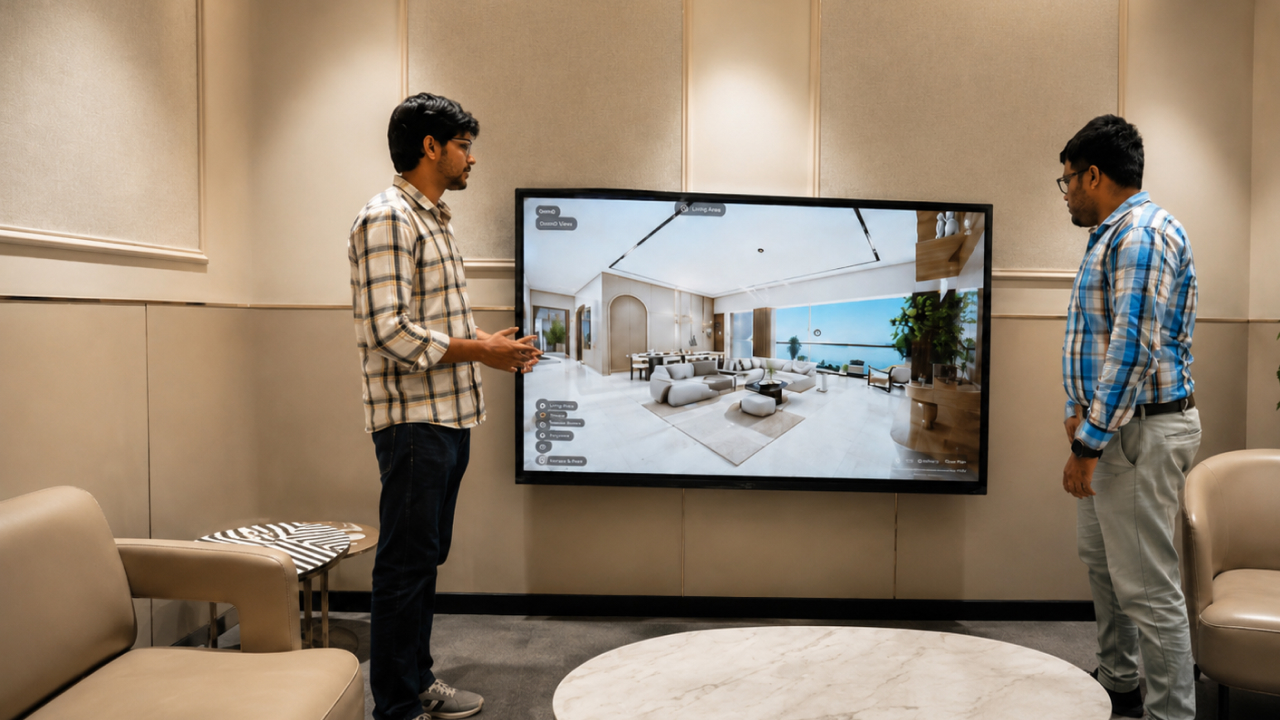
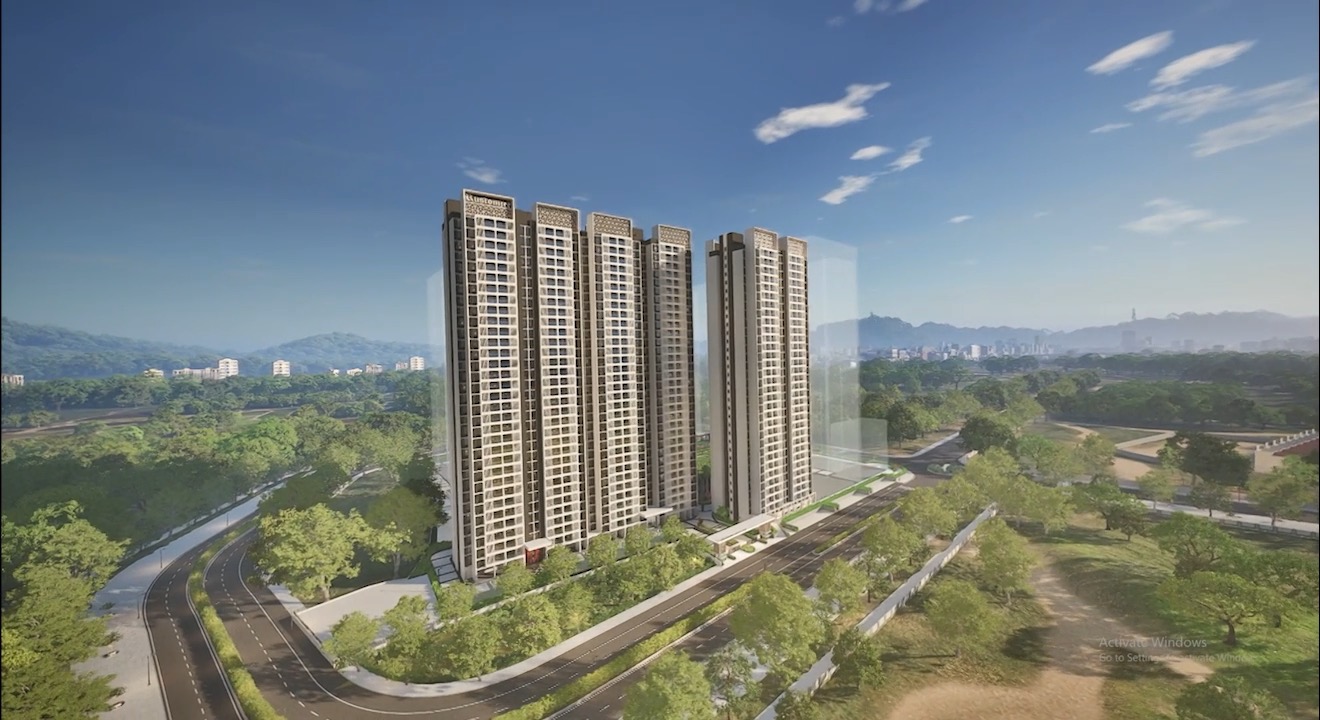
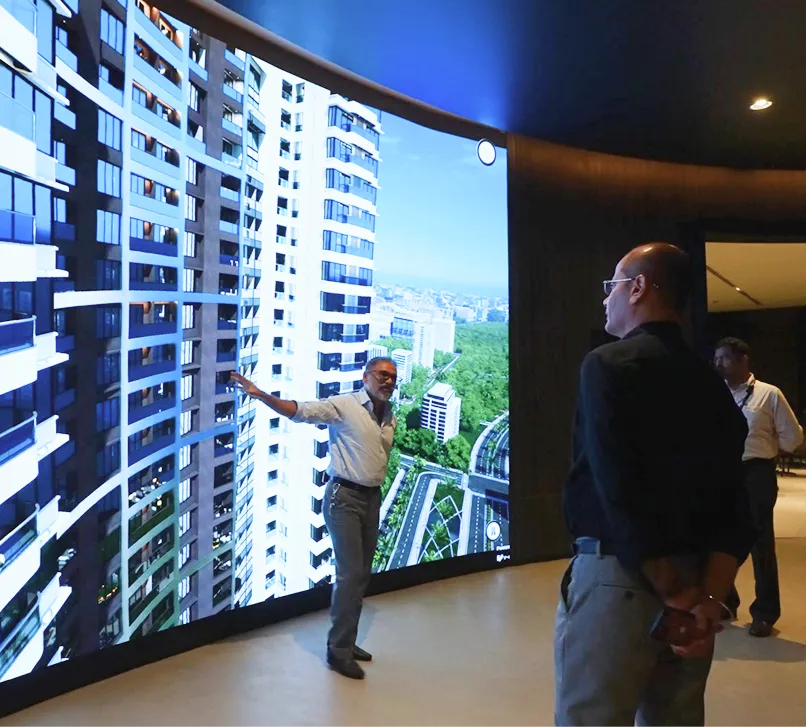
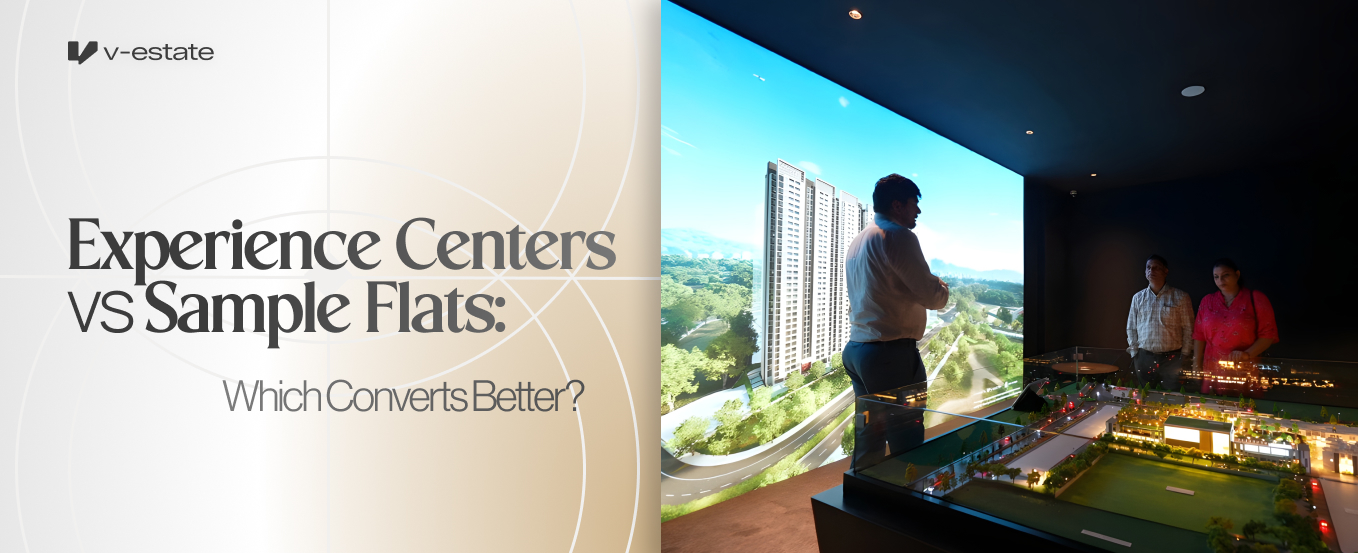
An experience center built with V-estate is not a dressed-up room. It is a configurable, immersive environment that can present any unit in the project — any configuration, any floor, any facing — with photorealistic accuracy.
The buyer looking at a 2BHK on the 22nd floor, north-east facing, sees exactly that unit. They see the view from that window. They see how light enters that specific flat in the morning. They customise finishes for that layout.
This is not approximation. It is precision presentation — and precision builds trust at a level no sample flat can match.
Conversion Rate Comparison

Developers often measure conversion by footfall — how many visitors become inquiries, how many inquiries become site visits, how many site visits become bookings. The experience center wins at the final stage: site visit to booking.
The reason is straightforward. A buyer who leaves a sample flat still has unresolved questions. A buyer who leaves a well-designed experience center has answered questions they did not even know they had going in.
Unresolved questions create delay. Delay creates opportunity for competing projects.
Experience centers, when properly executed, produce buyers who leave with fewer doubts. Fewer doubts mean faster decisions. Faster decisions mean better conversion rates without touching price.
Cost Per Conversion Across Total Inventory
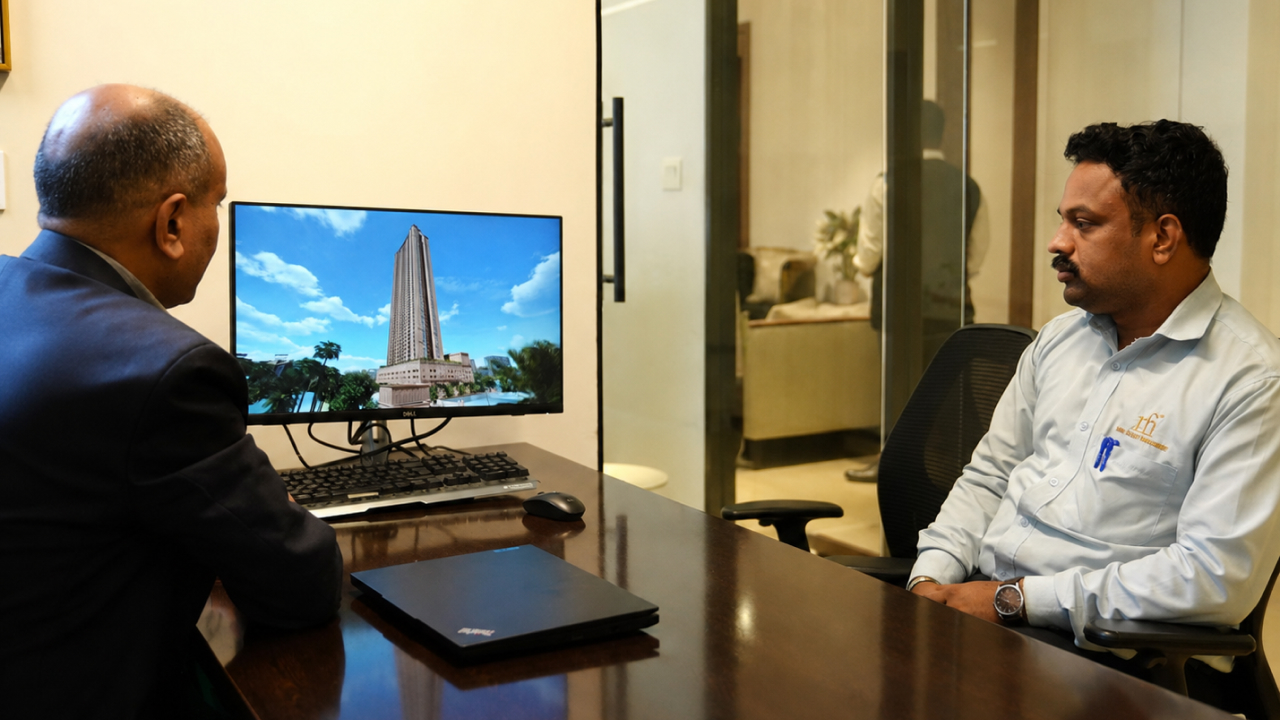
Sample flats are not cheap. Construction, furnishing, maintenance, and the permanent commitment of a physical unit carry real costs. And that sample flat can only show one thing.
An experience center requires a different upfront investment — in technology, in design, in spatial build-out. But it presents the entire project. Every tower. Every configuration. Every floor. Every amenity. The cost per conversion, spread across total inventory, favors the experience center significantly.
For large projects with multiple unit types, towers, or phases, the economics become even clearer.
The Direct Answer
For standard, ready-to-move inventory in a single configuration: the sample flat remains effective.
For under-construction projects, projects with multiple configurations, projects in emerging locations, or projects where brand premium needs to be established — the experience center converts better, closes faster, and protects margin more reliably.
The sample flat answers "does this feel real?" The experience center answers "is this specifically right for me?" In a market full of cautious buyers with multiple options, the second question is the one that matters.