Real-time feedback platforms are revolutionizing the architectural design process, addressing bottlenecks and frustrations caused by traditional design revisions, transforming the process from concept to completion.
The Communication Challenge in Architectural Design
Architects have long struggled with efficiently incorporating stakeholder feedback. Email chains become unwieldy, marked-up printouts get lost, and in-person meetings are difficult to schedule with busy clients. These communication gaps often lead to misunderstandings, costly revisions, and project delays.
A New Paradigm: Centralized Design Collaboration
Modern collaboration platforms create a single source of truth where all stakeholders can interact with architectural designs. This centralized approach eliminates the confusion of scattered feedback and creates a transparent record of design evolution.
Benefits of consolidated feedback include:
With all comments and revisions in one place, architects can quickly address concerns without hunting through various communication channels. Team members can see each other's input, preventing duplicated efforts and contradictory feedback.
Real-Time Interaction Changes Everything
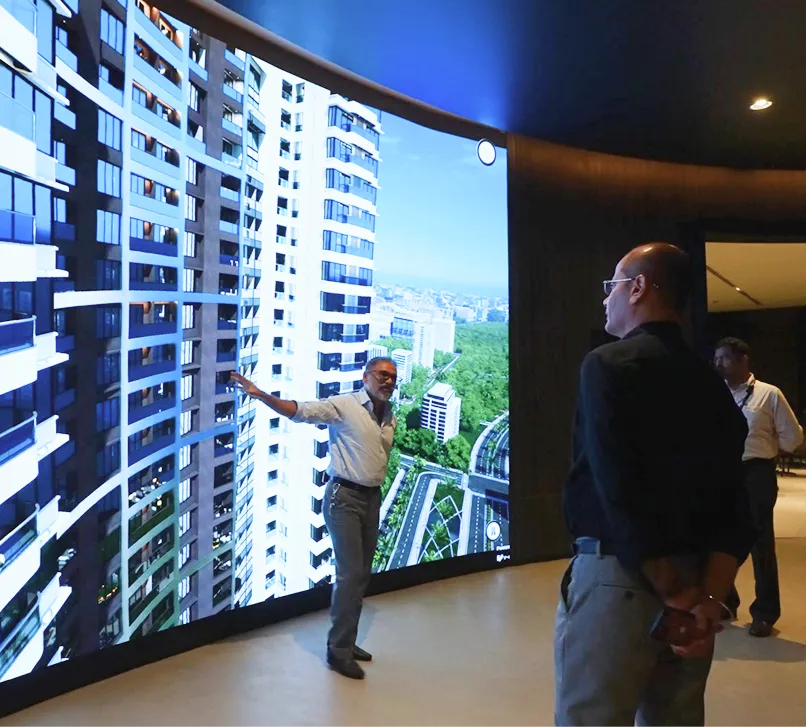
The true power of these platforms lies in their immediacy. During virtual walkthroughs, clients can point out concerns as they arise, rather than trying to recall them later. This instantaneous feedback loop allows architects to:
Gauge client reactions immediately through facial expressions and verbal cues
Address misunderstandings before they become embedded in the design
Make adjustments while the context is fresh in everyone's minds
Version Control: The Unsung Hero
Perhaps the most valuable aspect of modern collaboration platforms is robust version tracking. Architects can:
Maintain a clear chronology of design changes
Easily compare iterations to evaluate improvements
Revert to previous versions if needed
Demonstrate the evolution of designs to clients
This version history provides security for both architects and clients, ensuring that nothing gets lost in the revision process.
Breaking Down Communication Barriers
These platforms bridge communication gaps between technical architects and non-technical clients through:
Visual annotation tools that allow clients to point directly to areas of concern
Comment threading that keeps conversations organized by topic
Task assignment features that clarify who's responsible for each action item
Deadline tracking to keep projects moving forward
The Impact on Architectural Workflows
For architecture firms, implementation of collaborative platforms typically results in:
Reduction in revision cycles as feedback is incorporated earlier
Fewer misunderstandings between team members and clients
More efficient resource allocation as bottlenecks are identified quickly
Higher client satisfaction through increased involvement
The Future of Architectural Collaboration
As these platforms evolve, we're seeing integration with VR/AR technologies that allow clients to virtually "walk through" spaces before construction begins. This immersive approach helps clients better understand spatial relationships and make more informed decisions.
Real-time feedback platforms are fundamentally changing how architects communicate with clients and team members. By centralizing collaboration, streamlining revision processes, and creating transparent workflows, these tools empower architects to deliver better designs with less friction. The result is not just more efficient projects, but stronger relationships between architects and clients built on clear communication and shared vision.