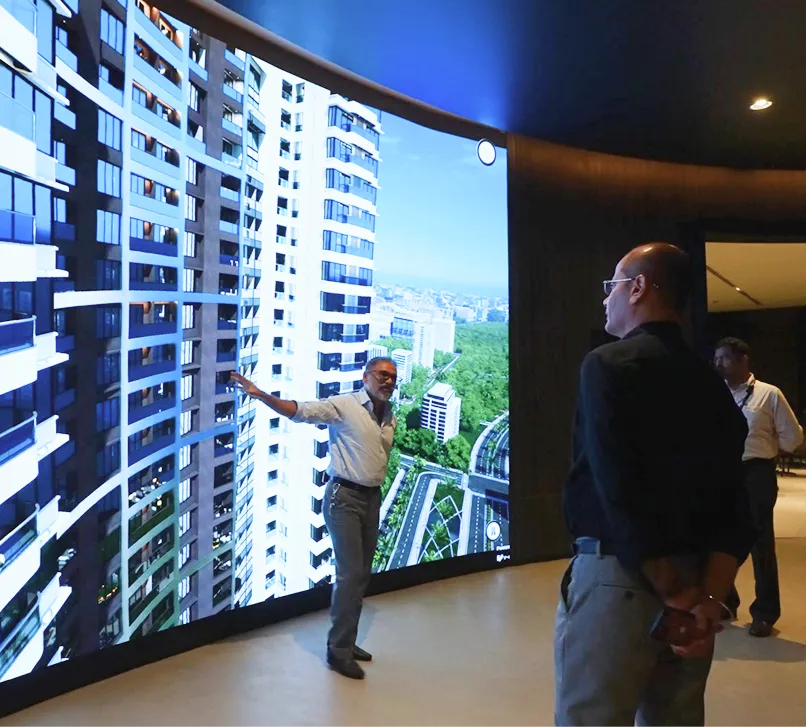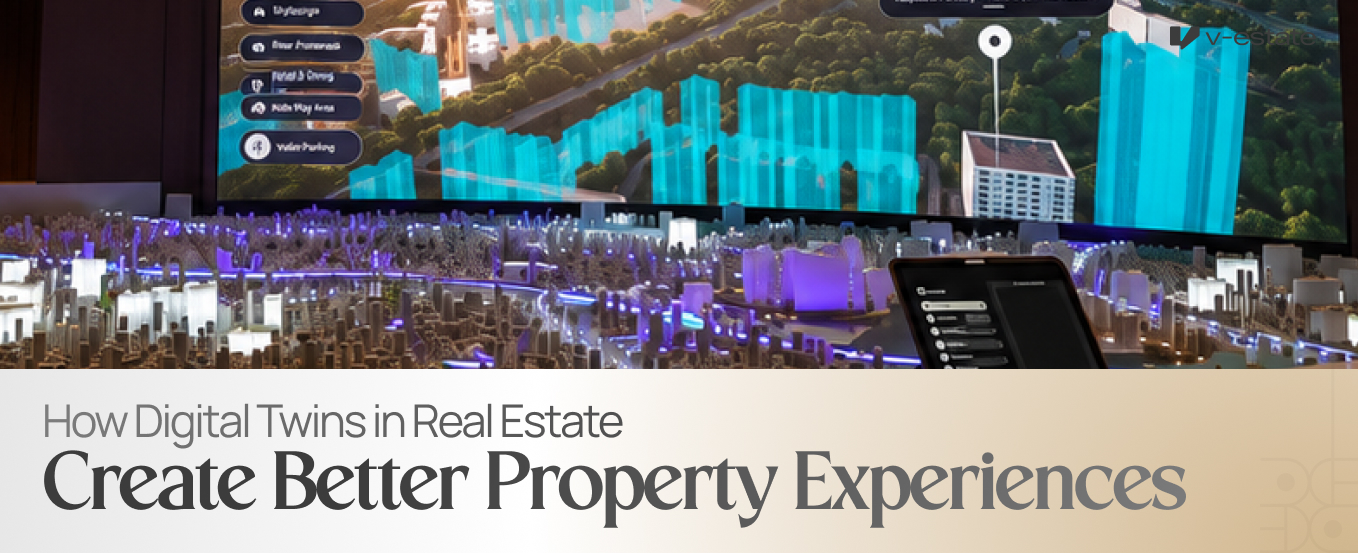
Traditionally, real estate marketing has always relied on brochures and floor plans. These include all of the information and various pictures of what a buyer could expect from their new home. However, what this tool lacks is a way to let the buyer engage with the property. Today, buyers want more, both in terms of the information about the project and the ways they can experience it. This is where Digital Twins for real estate come in.
Digital Twins give buyers immersive ways to experience their future home through technologies like ArchViz software, interactive scale models, and more. A recent study on "Digital Twin Market Size, Share & Industry Analysis" by Fortune Business Insights suggests that, "The global digital twin market size was valued at USD 24.48 billion in 2025 and is projected to grow from USD 33.97 billion in 2026 to USD 384.79 billion by 2034, exhibiting a CAGR of 35.40% during the forecast period." However, there is more to a Digital Twin, and when set up right, it can even be used after the project is complete. As such, here is everything a developer should know about Digital Twins, from what they are to their lifecycle.
What is a Digital Twin in Real Estate?
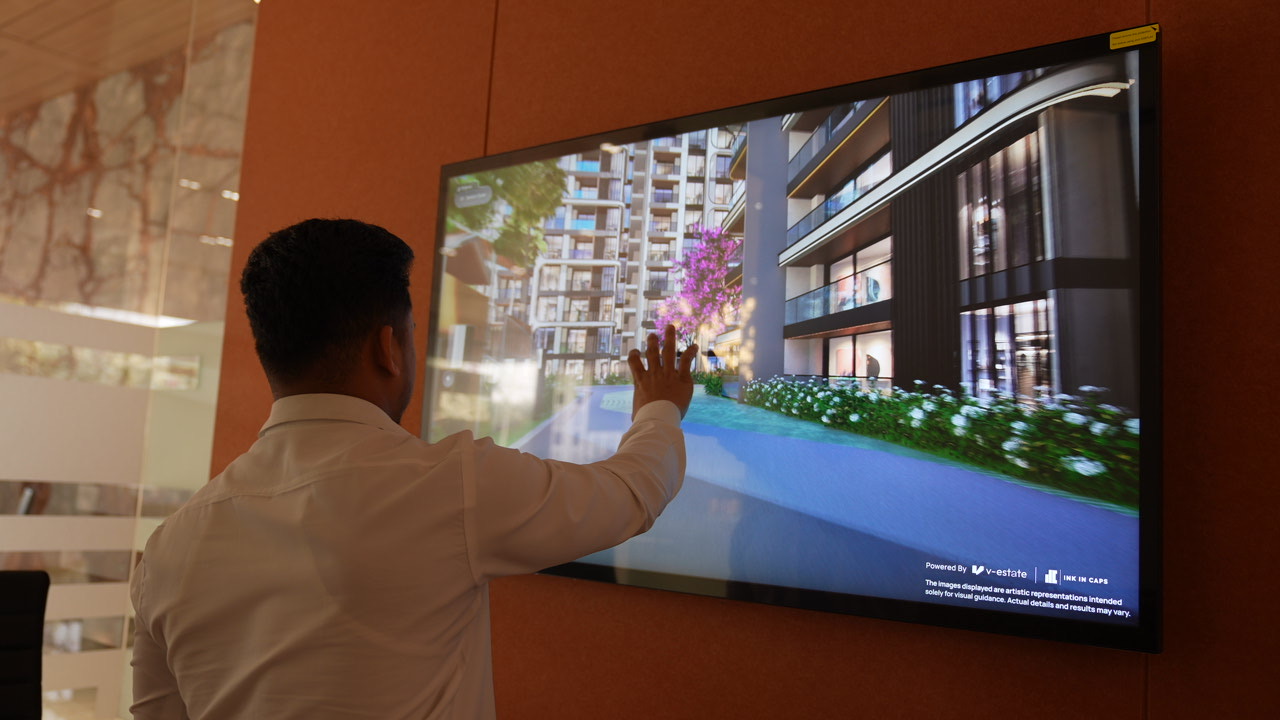
A Digital Twin, by its definition, is a virtual or digital replica of an existing object. In real estate, Digital Twins are virtual versions of a building or any project that a developer works on. The important thing to know about these twins is that they can be made even when the project is under construction.
What separates a digital twin from a static 3D model is that the former can combine architectural data with interactive technologies. This allows developers to create a digital environment that can simulate weather to show how it affects the building, or recreate nearby landscapes to show how the property connects to the vicinity. This makes it very different from just a basic 3D model that you can only view from different angles.
To take things up a level, Digital Twins can even be integrated with technologies like IoT sensors to increase their scalability. It provides developers with real-time analytics that they can use for immersive visualization, predictive maintenance, and more. Thus, allowing the digital twin to evolve with the physical project as it changes throughout its life cycle.
Digital Twin Property's Lifecycle Evolution Explained
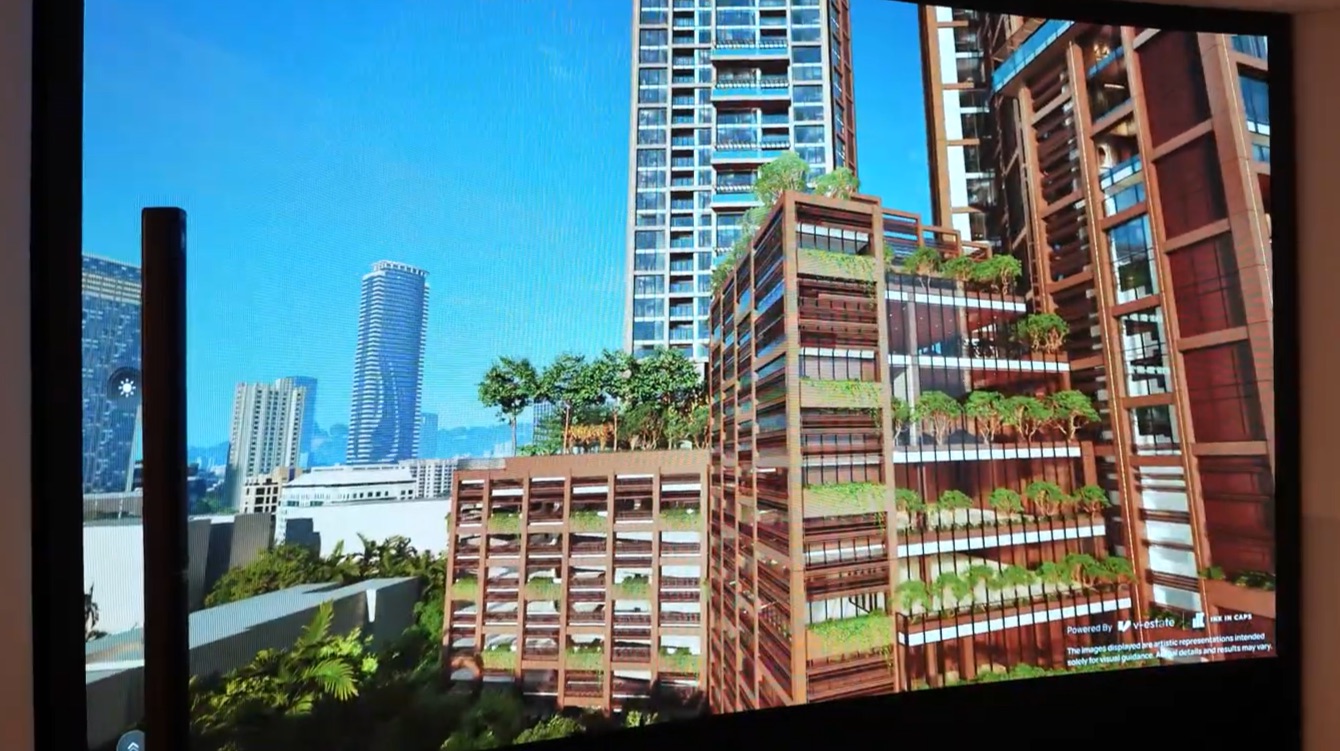
As mentioned before, what separates a digital twin from a 3D render is its capability to evolve as the project completes or changes. Here are a few of the common phases in a property's lifecycle that a Digital Twin evolves through:
Planning & Designing
As the name implies, a Digital Twin is virtual or "digital"; so once the developer plans out how they want their project to be. That is when a Digital Twin should be set up. It can be used by designers to first virtually create the building. Once everything looks proper, the digital version of the building can be used as a virtual blueprint to build the property. The best part of virtual designing is that any of the design flaws can be eliminated and reworked virtually. Thus saving the developers time, money, and resources from having to demolish and rebuild any portion of the project.
Construction Monitoring
Once a design has been finalized, the Digital Twin can be used as a reference to monitor the construction. This allows developers to keep track of the project. Additionally, any changes made in the real-world site can be added to the digital twin, so that both are updated and synced.
Marketing
One of the biggest advantages of a Digital Twin is real estate sales & marketing. When a developer chooses to go the traditional route, they would have had to wait for construction to be complete to safely arrange site visits for potential buyers.
But with Digital Twins, developers could give buyers and stakeholders virtual tours even if the project isn't ready. It allows them to learn about the project in a similar manner as if they were to visit the real thing. This is beneficial because buyers have things to work with instead of just having to rely on static images or the developer's reputation based on their past projects.
For example, at V-Estate, we offer our clients Spaci, the one-stop shop tool for all your Digital Twin and ArchViz software needs. Some of its features include:
- High-fidelity 4K digital twins that cover every inch of the project, from the lobby to the neighborhood vicinity.
- Explore interiors, exteriors, and shared amenities through photorealistic navigation that captures every material and lighting detail.
- View any specific unit under accurate natural light conditions across different times of the day and seasons.
- Validate floor-specific views and spatial volumes at a 1:1 scale to understand the true proportions of your future home.
Property Management
A digital twin's life isn't just over as soon as the property is ready. After the completion of a project, developers can integrate real-world building data to use these digital twins for maintenance planning, asset management, and operational monitoring. It benefits them because instead of having multiple sources to maintain assets of the different stages of the project, the digital twin can be the single digital ecosystem to handle it all.
Property Managers could also use it for predictive maintenance by monitoring the efficiency of HVAC, lighting, and other systems. This would allow them to schedule regular system maintenance before they stop working.
To conclude, with the evolving technology, smart homes are already a reality. It is safe to assume that the future with smart buildings isn't too far off. As it improves, we will start seeing more and more developers integrate AI, IoT, and similar technologies into their projects. With it, digital twins are bound to become a core component of the development cycle.
Currently, all of the major developers are already using Digital Twins. If you, too, are looking to move away from static presentations and want to give your buyers and stakeholders immersive digital experiences, V-Estate's Spaci tool is here to help you out! Book a demo, and our team of experts will connect with you, and together we will build a digital twin that doesn't just engage the buyers but also gives them clarity and boosts your sales!
.jpg)
.jpg)