.jpg)
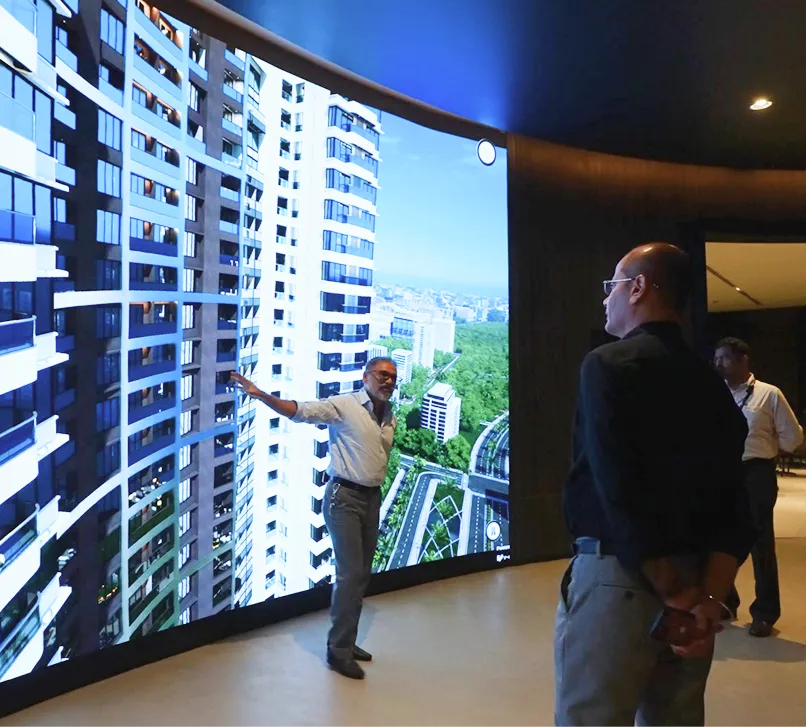
The real estate industry is experiencing a widening gap between client expectations and traditional presentation methods. Modern buyers demand an immersive, interactive experience, allowing them to control their future home, replacing static blueprints and lengthy in-person consultations.
The Shifting Landscape of Client Collaboration
The relationship between designers and clients has fundamentally transformed. Today's clients aren't content with being passive recipients of design decisions; they want active participation in shaping their living spaces. This shift demands tools that facilitate real-time feedback, visualization, and collaboration throughout the design process.
Why meaningful collaboration matters: When clients can actively participate in design decisions, the entire process becomes more efficient. Regular communication helps refine designs to match client vision while preventing expensive revisions down the line. The result? Spaces that truly reflect the client's lifestyle and preferences.
Interactive Visualization: Stepping Into Unbuilt Spaces
Perhaps the most revolutionary change in architectural client engagement is the advent of immersive visualization technologies that transform how clients experience unbuilt spaces.
Virtual Reality Property Tours
Instead of trying to mentally translate 2D floor plans into livable spaces, clients can now step into fully realized environments that showcase their future home in striking detail. This technology delivers:
A profound understanding of spatial relationships that flat images simply cannot convey
The ability to walk through rooms and examine finishes as if physically present
Visualization of natural light patterns throughout different times of day
More confident decision-making based on realistic experiences rather than imagination
Real-Time Design Modifications
The modern design process has evolved from sequential revisions to dynamic, collaborative sessions. Interactive platforms now allow clients to virtually sit alongside designers and see changes implemented immediately. This approach offers:
A hands-on role for clients in shaping their future spaces
Instant feedback loops that dramatically accelerate the design process
Clearer communication that reduces misunderstandings and disappointments
Customized solutions that better align with client vision from the start
Cloud-Based Collaboration: Breaking Down Communication Barriers
The design process no longer needs to be fragmented across different platforms and communication channels. Cloud-based tools have unified stakeholder interactions in ways that enhance transparency and continuity.
Centralized Project Management
Modern cloud platforms bring architects, designers, contractors, and clients together in shared digital environments where updates happen in real-time. These systems provide:
One centralized location for all project documents
Collaborative editing capabilities across multiple stakeholders
Increased visibility into project status and decision points
Document Management Integration
Tools like Google Drive have become essential for organizing the countless documents involved in property development. When clients have structured access to these resources, they can:
Leave feedback when it's convenient for them
Track revisions automatically without confusion
Provide precise annotations directly on design documents
AI-Powered Design Solutions
Artificial intelligence isn't just changing how designs are created—it's transforming how professionals tailor solutions to client needs.
Data-Driven Decision Making
By analyzing patterns and preferences, AI tools now help firms provide more personalized recommendations and anticipate potential issues before they arise. This intelligence delivers:
More accurate resource planning and timelines
Design suggestions that consider client history and stated preferences
Early identification of potential challenges or opportunities
Generative Design Exploration
AI-powered design tools can rapidly explore countless possibilities based on specified parameters like budget constraints, material preferences, and spatial requirements, offering:
Freedom for designers to focus on creative aspects rather than repetitive tasks
Enhanced sustainability through automated efficiency analyses
Faster iteration and prototyping for more informed client decisions
The Future of Client Engagement
As we look ahead, the integration of digital twins, blockchain-secured contracts, and sustainability optimization tools promises to further transform how clients interact with property development professionals.
The firms embracing these collaborative technologies aren't just offering novelty—they're fundamentally improving the client experience by providing greater transparency, control, and confidence throughout the design and development process. In doing so, they're creating more than just buildings; they're building relationships rooted in clear communication and shared vision.
For developers and designers ready to step into this collaborative future, the rewards are clear: more satisfied clients, more efficient processes, and spaces that truly reflect the dreams and needs of those who will call them home.