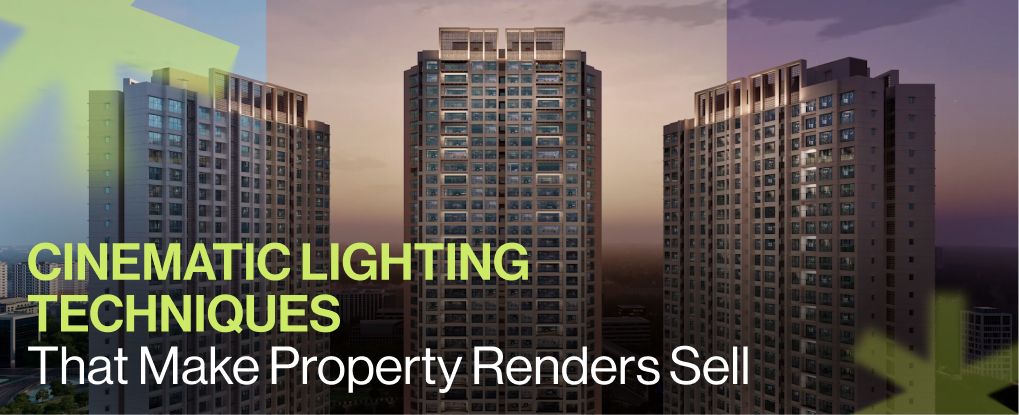
Property renders fail when buyers cannot connect emotionally. Lighting fixes that gap.
Most developers invest heavily in floor plans, location maps, and pricing strategies. But the visual moment—the first impression—decides everything. Flat, over-lit renders do not communicate warmth, space, or livability. They display units but do not sell homes.
Cinematic lighting changes that dynamic. It transforms property visualization from information display into buyer conviction.
For real estate developers and marketing teams managing offline sales setups, this shift is not cosmetic. It directly impacts conversion rates, buyer confidence, and sales cycle length.
Lighting Controls Buyer Perception Before Logic Takes Over
Human response to space begins with light, not layout.
Buyers enter experience centers with emotional filters active. They assess comfort, privacy, and livability within seconds. Poor lighting disrupts that assessment. Overexposed renders look sterile. Uniformly lit interiors feel cold.
Cinematic lighting replicates natural environments. It restores the sensory logic buyers rely on when evaluating homes.
Proper illumination reveals:
Spatial proportions
Material quality
Functional zoning
Time-based ambience
When these elements align with reality, trust builds faster.
Most Property Renders Fail at Basic Light Logic
Developers spend on high-resolution renders but ignore lighting physics.
Common mistakes include:
Flat brightness across all rooms
No shadow differentiation
Identical light intensity for morning and evening
No directional sunlight logic
Artificial brightness masking poor spatial design
These flaws disconnect visuals from lived experience. Buyers sense the gap even if they cannot articulate it.
The result is hesitation. Hesitation extends sales cycles.
Daylight Simulation Builds Spatial Honesty
Sunlight direction matters more than developers assume.
Buyers need to understand:
How morning light enters the bedroom
Whether balconies receive afternoon sun
If living rooms stay naturally bright
What evening light does to interior warmth
Daylight simulation addresses these questions visually. It removes imagination barriers.
When buyers see accurate sun angles, window placement makes sense. Privacy concerns resolve. Balcony usability becomes clear.
This transparency accelerates decision-making.
Shadows Define Reality in Property Visualization
Spaces without shadows look fake.
Shadow logic anchors objects to their environment. Soft, directional shadows confirm:
Ceiling height accuracy
Furniture scale alignment
Architectural depth
Material texture authenticity
Without shadows, rooms feel two-dimensional. Buyers cannot gauge proportions correctly.
Cinematic lighting introduces depth through controlled shadow mapping. This precision allows prospects to mentally place themselves inside the unit without physical walkthroughs.
Interior Lighting Layers Drive Emotional Engagement
Residential purchases are emotional transactions. Lighting supports that emotion.
Layered interior lighting includes:
Ambient lighting for overall room comfort
Accent lighting to highlight architectural features
Task lighting for functional spaces like kitchens
This approach mirrors how real homes are lit. Buyers recognize the familiarity instantly.
Familiar spaces reduce purchase anxiety. Reduced anxiety shortens decision timelines.
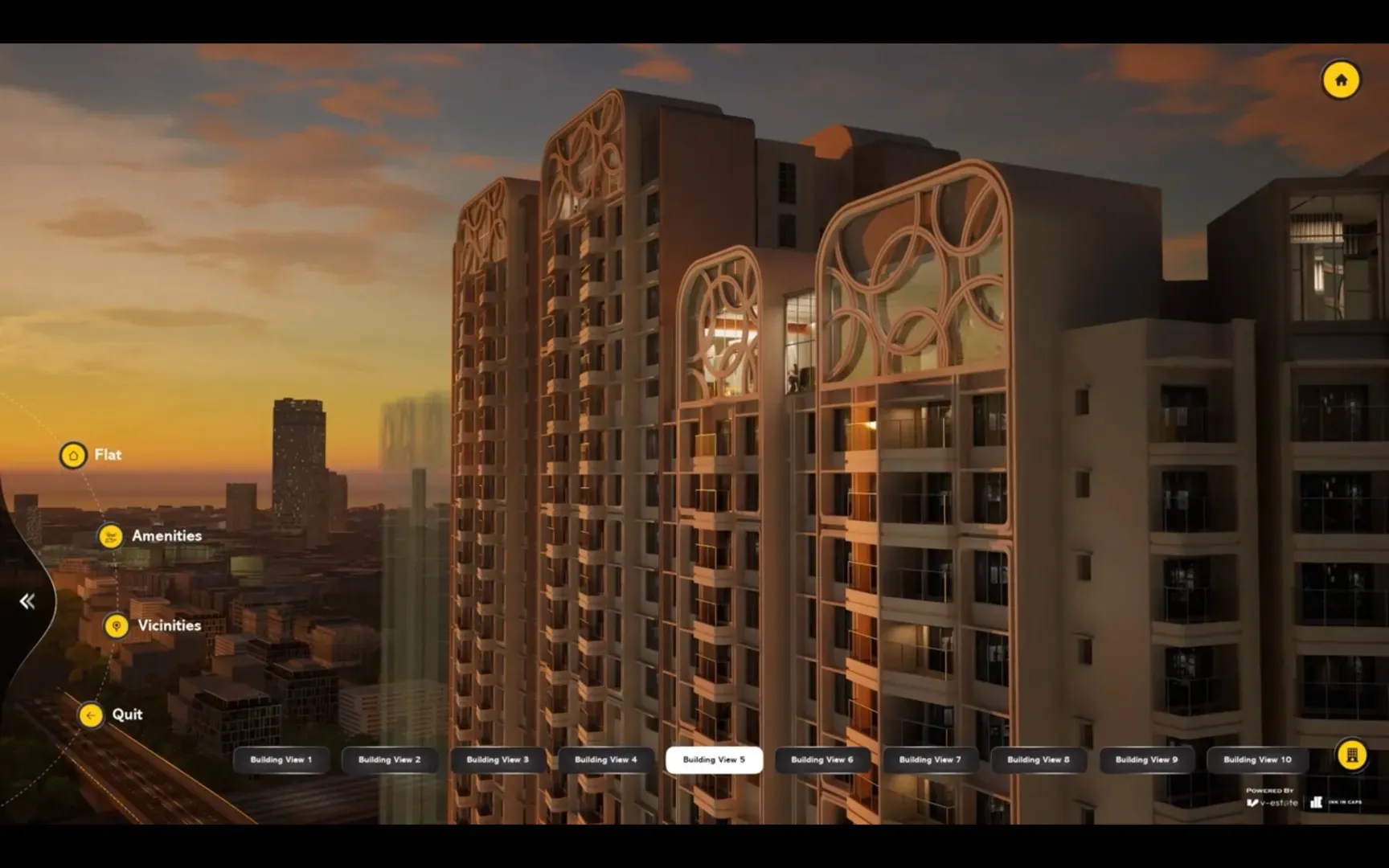
Even Scenarios Close the Experience Gap
Site visits happen during daytime hours. Living happens after sunset.
Buyers need to visualize:
Balcony ambience at night
Bedroom warmth with evening lighting
Living room coziness post-sunset
Exterior aesthetics after dark
Night lighting scenarios complete the lifestyle picture. They answer unspoken buyer concerns about usability beyond daylight hours.
This completeness removes doubt.
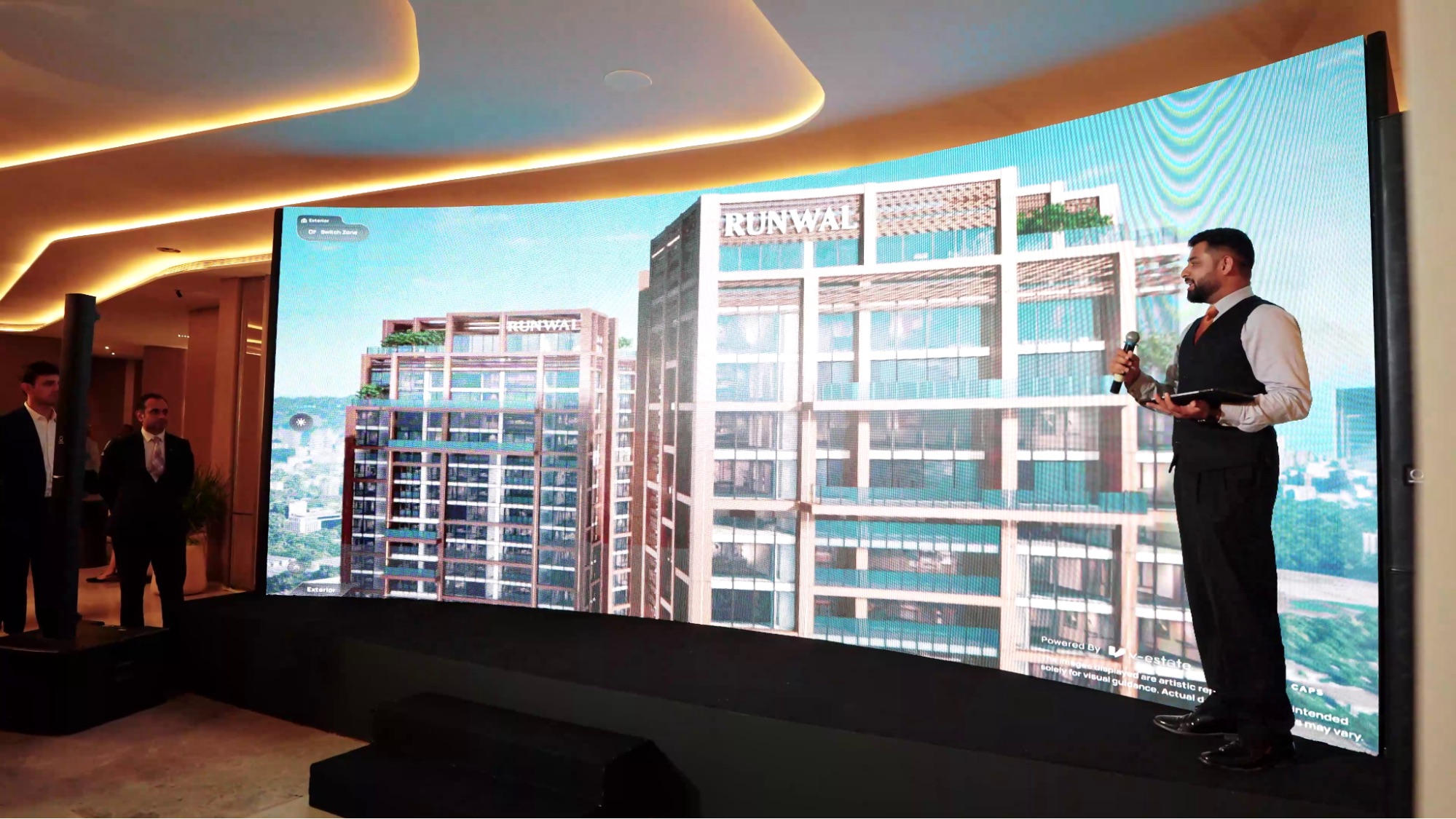
Material Perception Depends Entirely on Lighting Accuracy
Premium finishes justify premium pricing. Lighting determines whether buyers perceive that value.
Light affects how materials appear:
Marble reflections show quality
Wooden textures communicate warmth
Fabric finishes suggest comfort
Glass transparency indicates openness
Incorrect lighting misrepresents material worth. Buyers discount perceived quality when lighting feels artificial.
For luxury and mid-segment projects, this accuracy is non-negotiable.
Dynamic Lighting Controls Enhance Offline Sales Environments
Static renders limit buyer exploration.
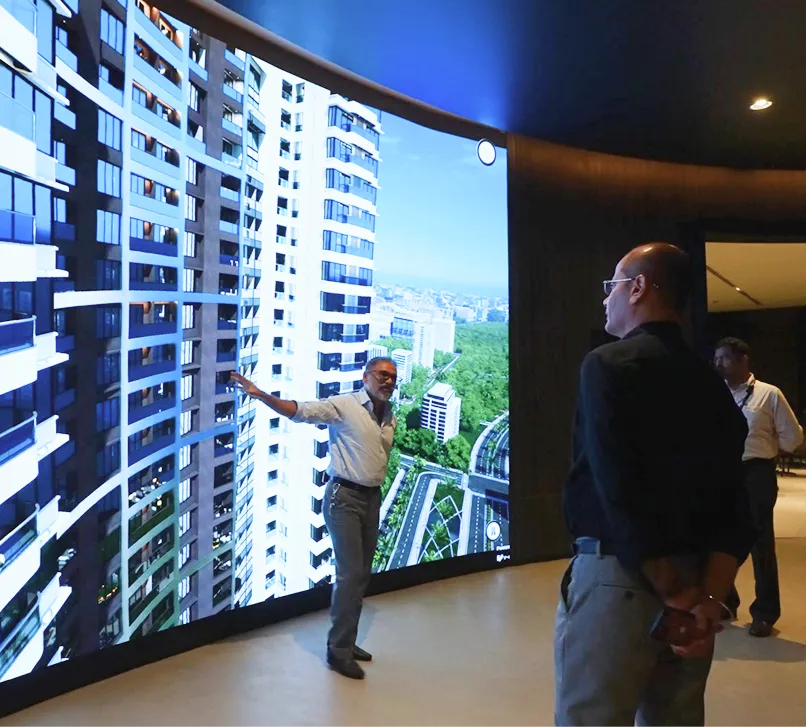
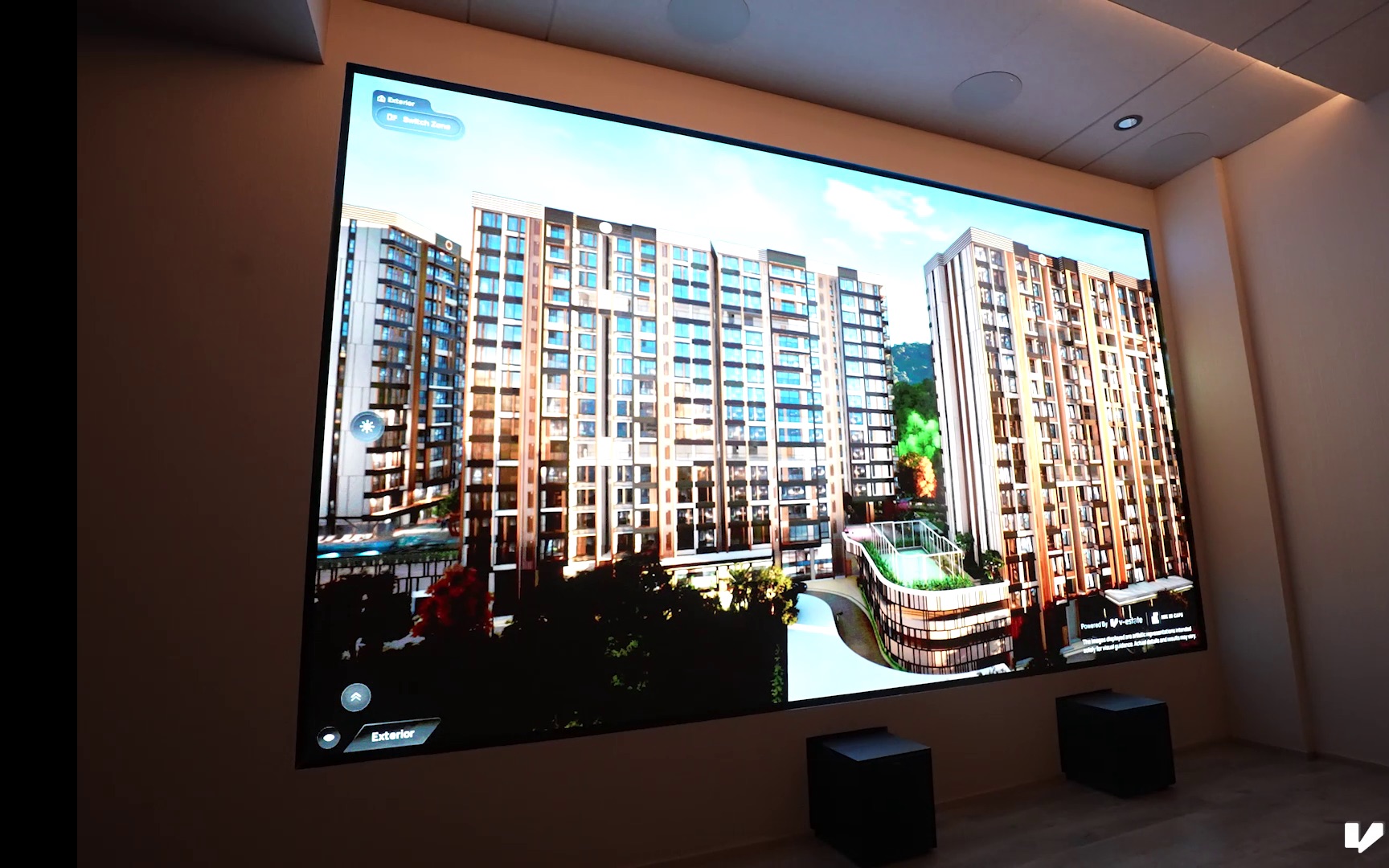
V-estate integrates real-time lighting controls within experience centers. Buyers can adjust:
Time of day
Seasonal lighting conditions
Weather-based ambience
Interior mood settings
This control shifts power from sales teams to prospects. When buyers control the experience, confidence increases.
V-estate Solves Core Developer Challenges Through Lighting Precision
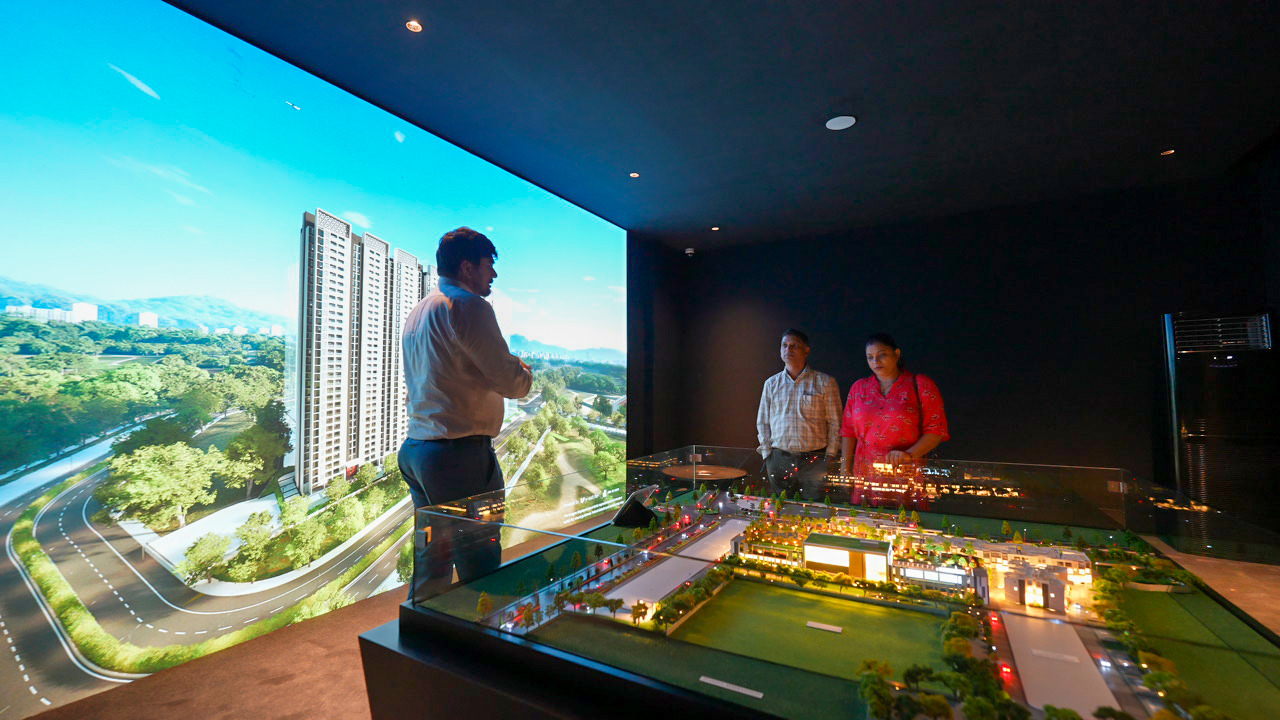
V-estate is not a visualization tool. It is an offline interactive sales platform built for experience centers and sales galleries.
Photorealistic 3D virtual show flats include:
Accurate daylight and night simulations
Dynamic weather and seasonal lighting
Material-responsive interior illumination
Real-time lighting adjustments during buyer interaction
These capabilities allow prospects to experience properties as living environments, not static presentations.
Buyers see minute details: How sunlight hits the breakfast table. How evening light fills the living room. How bedroom lighting affects relaxation.
This level of clarity removes guesswork.
Offline Activation Drives Faster Conversions
V-estate operates in structured offline sales setups, not online platforms.
Benefits for developers:
Reduced dependency on buyer imagination
Clear differentiation between unit types
Faster alignment during sales discussions
Improved buyer confidence in physical environments
Shortened sales cycles through clarity
Sales teams transition from explaining features to facilitating decisions.
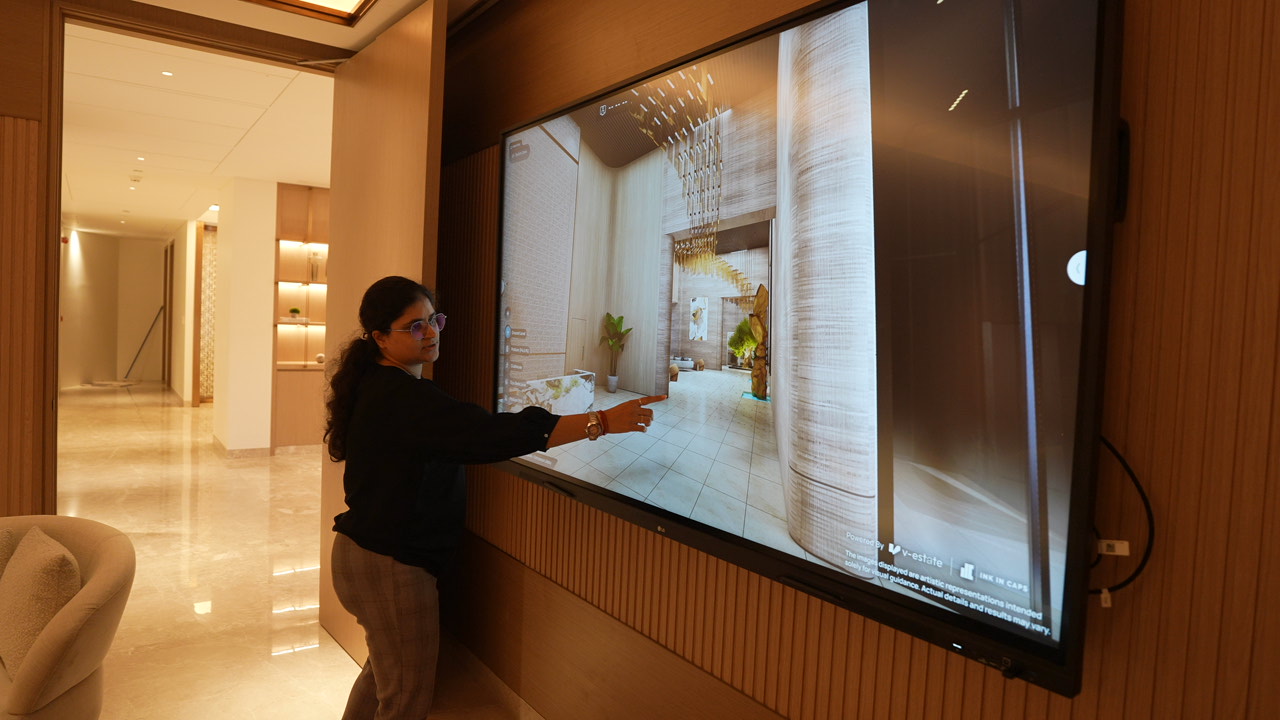
Marketing Teams Gain Credibility Through Visual Honesty
Modern buyers research extensively before site visits. Overpromising in visuals damages trust.
Cinematic lighting in V-estate strengthens:
Experience center effectiveness
Brand perception consistency
Post-visit buyer recall
Developer credibility across projects
This alignment between expectation and reality improves lead quality and retention.
Lighting is Information Delivery, Not Decoration
Developers often treat lighting as aesthetic polish. It is actually information architecture.
When buyers clearly understand:
How natural light enters spaces
How rooms feel across different times
How materials respond to illumination
Decision friction reduces measurably.
That reduction directly impacts conversion rates.
Closing Perspective
Cinematic lighting has become essential in property sales environments. Not optional. Essential.
For developers focused on clarity, credibility, and faster conversions, lighting precision within offline sales setups is now standard practice.
V-estate delivers this precision through immersive, buyer-controlled experiences in experience centers and sales galleries.
When buyers see, feel, and understand a space clearly, selling becomes a natural outcome.