.jpg)
The real estate market faces challenges in bridging the gap between architectural concepts and buyer understanding. Platforms like V-estate are revolutionizing the industry by using cutting-edge technology to help potential buyers visualize their potential in unbuilt spaces.
The Visualization Challenge in Real Estate
Traditional property marketing methods often fall short. Blueprints confuse non-technical buyers, while standard photography can't showcase unbuilt properties. Even professional renderings lack the interactive element that today's buyers expect. These limitations create a disconnect that slows decision-making and potentially costs sales.
Creating Immersive Property Experiences
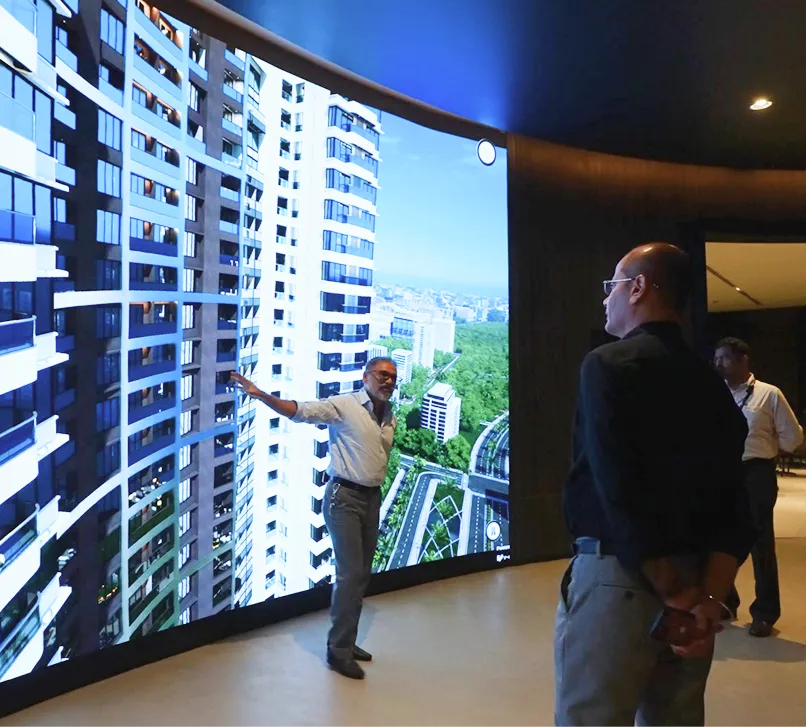
V-estate tackles this problem head-on by transforming the entire property buying journey into an immersive, interactive experience. Unlike static presentations, their platform creates photorealistic 3D virtual show flats that allow potential buyers to explore properties in remarkable detail.
What makes this approach particularly effective is how it puts buyers in control. They can navigate through spaces at their own pace, examining features that matter most to them. This level of engagement creates a stronger emotional connection to properties—a crucial factor in purchase decisions.
Beyond Basic Virtual Tours
The technology goes far beyond simple virtual walkthroughs. Buyers can experience how natural light changes throughout the day, observe the exact view from specific windows, and even see how weather conditions affect the property's appearance during different seasons.
This level of detail addresses common buyer concerns before they become objections. For example, a buyer wondering "Will this living room get enough natural light?" can simply use the platform's dynamic lighting controls to check different times of day, rather than having to take a sales representative's word for it.
Personalization Drives Emotional Connection
One of the most powerful aspects of V-estate's approach is the customization capability. Potential buyers can experiment with different:
Interior paint colors
Flooring options
Furniture arrangements
Decorative elements
This personalization transforms the property from a generic space into "their home" in the buyer's mind—a psychological shift that significantly impacts purchase likelihood.
Neighborhood Context Matters
Understanding a property extends beyond its walls. V-estate includes comprehensive amenity showcases that map nearby facilities, including both existing and upcoming projects. This neighborhood context helps buyers evaluate:
Transportation connectivity
Access to schools and shopping
Recreational opportunities
Future development plans
These factors often weigh heavily in property decisions, and providing this information upfront builds buyer confidence.
Real Business Benefits for Developers
While the technology is impressive, the real value comes from tangible business outcomes. Developers implementing these visualization solutions typically experience:
Accelerated sales cycles: When buyers can virtually "live" in a space before construction, decision-making happens faster
Reduced marketing costs: Virtual environments reduce the need for expensive physical model homes
Expanded buyer reach: Remote buyers can explore properties thoroughly without travel
Higher conversion rates: The emotional connection created through immersive experiences translates to more sales
Bridging Technical Details and Emotional Appeal
What makes architectural visualization particularly powerful is how it translates technical building information into emotional experiences. Buyers don't just see square footage numbers—they feel the spaciousness of rooms. They don't just read about natural light—they watch how sunlight moves through the space throughout the day.
This translation from technical to emotional addresses both sides of the buyer's decision process: the rational assessment of value and the emotional desire to call a place "home."
Looking Forward
As technology continues evolving, we can expect architectural visualization to become even more integral to real estate sales. The developers who embrace these tools early will gain significant competitive advantages in their markets.
By bridging the visualization gap between concept and reality, tools like V-estate aren't just changing how properties are sold—they're transforming how buyers connect with spaces and make one of life's most significant purchasing decisions.