.jpg)
Real estate developers face a major shift in how people buy homes. Today, buyers aren't just looking for square footage or a specific bedroom count. They are looking for a complete lifestyle that fits their daily routines and long-term goals.
This is where amenity mapping becomes essential. It’s no longer enough to list features in a brochure. Developers must show how a property will actually improve a buyer's quality of life. By focusing on lifestyle integration, you can differentiate your project and close sales faster.
The Problem with Traditional Property Marketing
Most marketing still relies on static floor plans and dry specifications. This approach fails because it ignores the emotional side of the purchase. A floor plan tells a buyer where the walls are, but it doesn't tell them how they will feel living there.
When marketing stays purely technical, several problems arise:
Sales cycles take longer because buyers feel uncertain.
It becomes difficult to justify premium pricing.
The project looks exactly like every other "luxury" development on the market.
Understanding Modern Buyer Psychology
Modern buyers evaluate a home based on how it serves their life outside the four walls. They look for three main factors:
Convenience Integration: Does the location make their daily routine easier? They want to see exactly how close they are to work, schools, and healthcare.
Community Connection: Will they meet like-minded people? Shared spaces and neighborhood vibes matter as much as the apartment itself.
Personal Fulfillment: Does the building support their hobbies? Whether it’s a high-end gym for a fitness enthusiast or a quiet garden for a reader, the amenities must feel personal.
Strategic Approaches to Lifestyle-Focused Amenity Mapping
To sell a lifestyle, you must first know who you are selling to. A young professional needs different amenities than a retired couple.
Target Audience Analysis: Define your buyer persona before you design your map. For urban workers, highlight co-working spaces and high-speed tech. For families, prioritize safety, parks, and proximity to top-tier schools.
Narrative-Driven Presentation: Stop listing "swimming pool" as a feature. Instead, talk about "weekend family poolside relaxation" or "invigorating morning laps." When you change the language, you help the buyer visualize their future.
Case Study: Shifting the Sales Narrative
A developer in a crowded urban pocket struggled to sell units despite high-end finishes. By switching their marketing from "luxury apartments" to "the 5-minute lifestyle"—mapping out the walking proximity to corporate hubs and adding a managed co-working lounge—they saw a 40% increase in inquiries from working professionals who prioritized time-saving over square footage.
Visual Communication Strategy
In real estate, high-quality visuals are your most persuasive tool. To map amenities effectively, you need:
Lifestyle Photography: Use photos of people actually enjoying the space. Authentic shots beat staged, "perfect" renders every time.
Aerial Perspectives: Show the property in context. A buyer needs to see how the building connects to the local park, the metro station, and the grocery store.
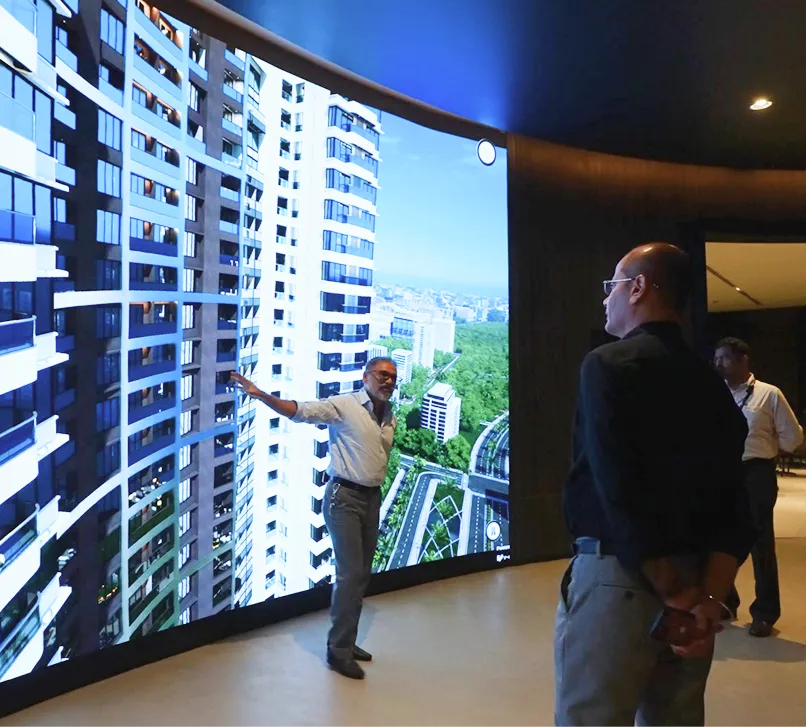
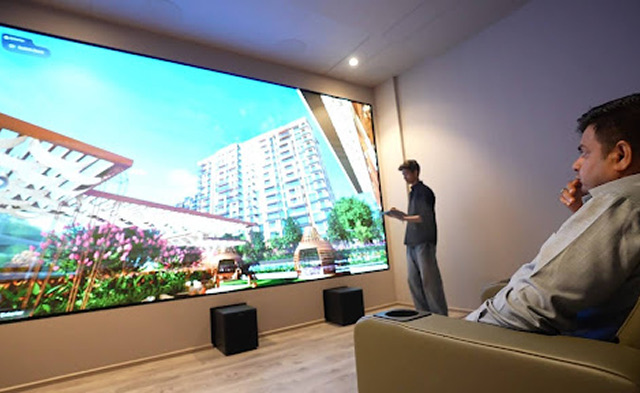
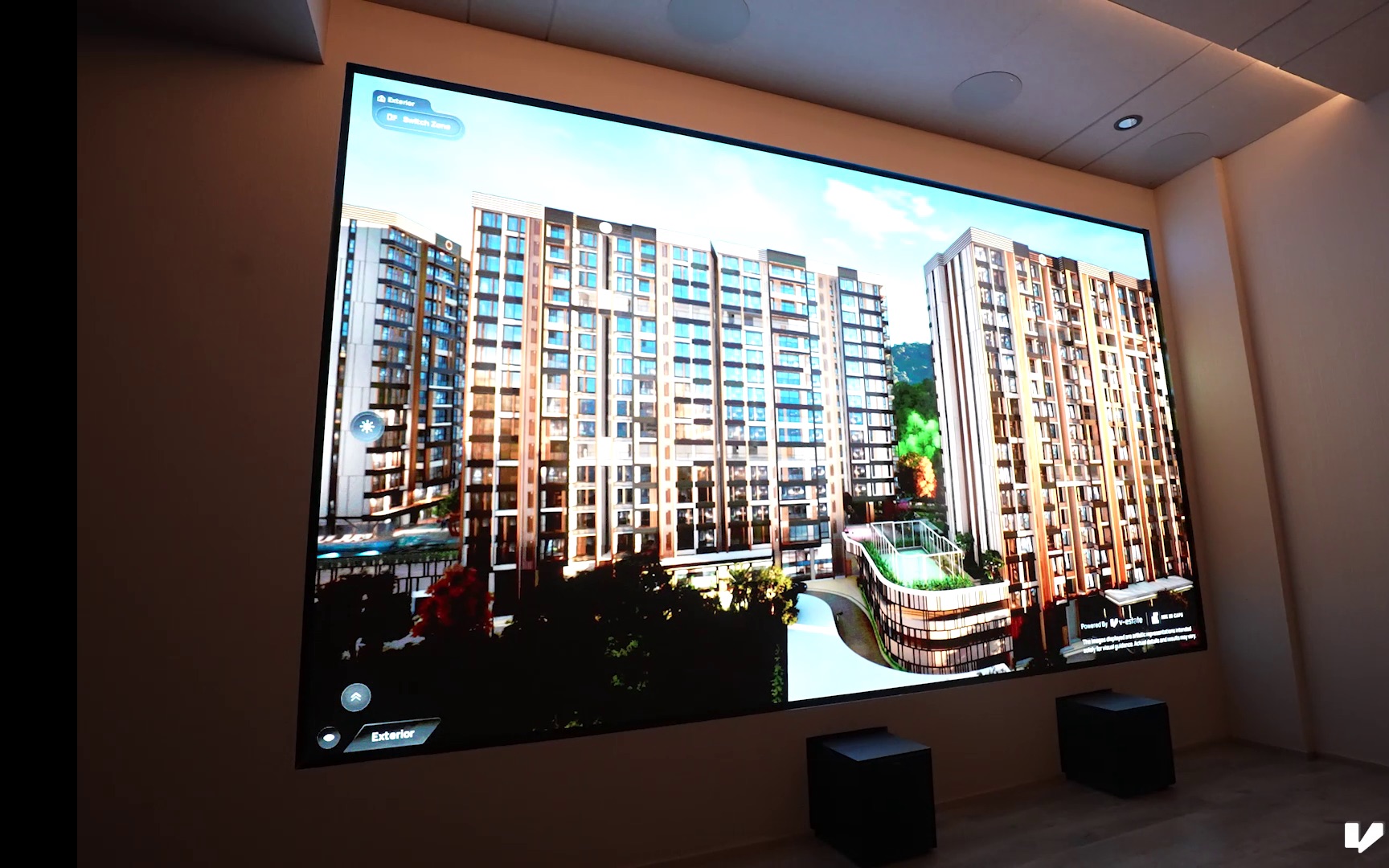
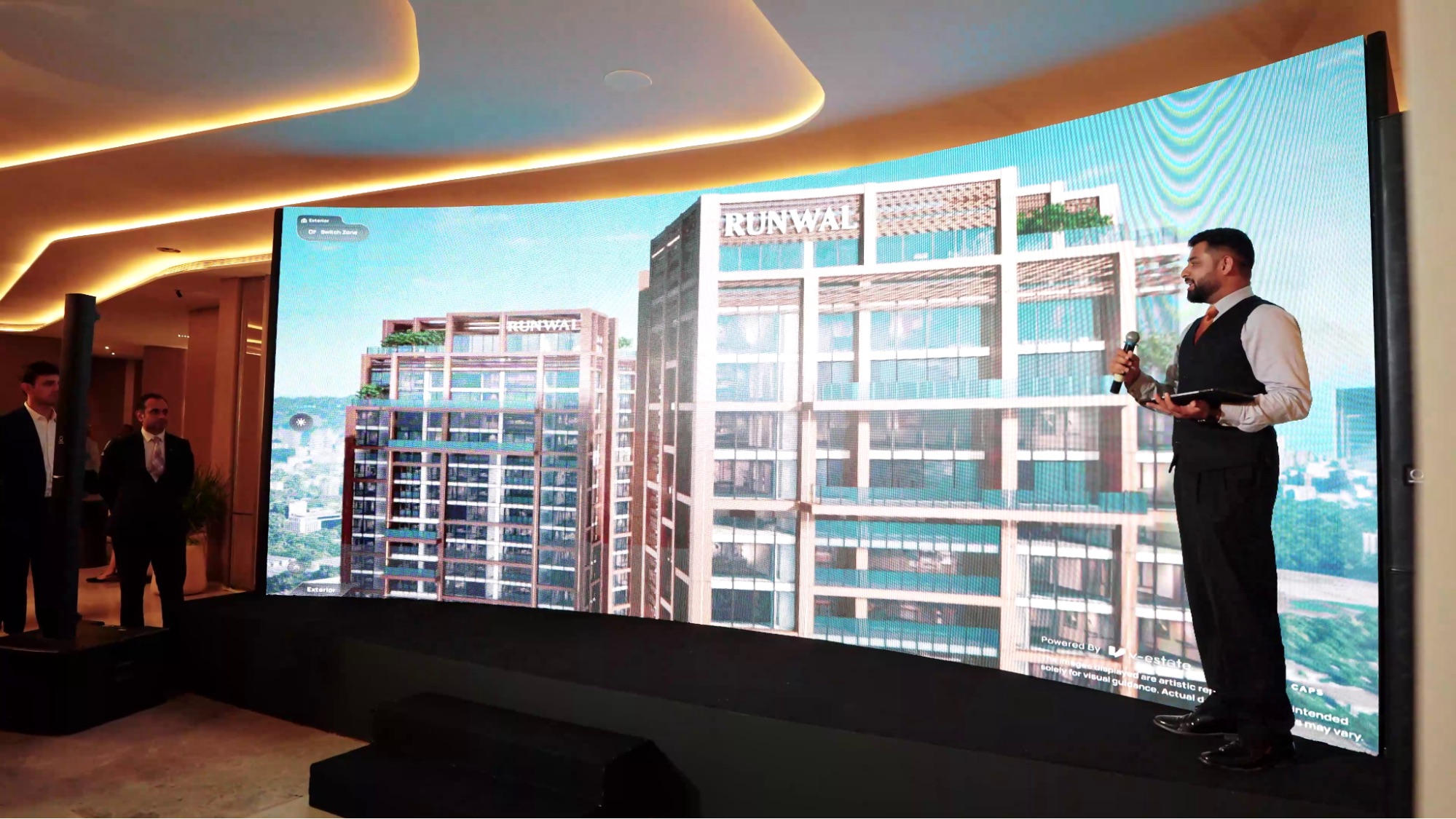
Interactive Exploration: Tools like vestate allow buyers to virtually walk through the amenities. This gives them a sense of ownership before they even sign a contract.
Differentiating Through Unique Amenity Positioning
In a competitive market, a standard gym or clubhouse isn't enough to stand out. Developers need "signature" amenities that competitors can't easily copy. This might be a rooftop oxygen park, a dedicated pet spa, or a wellness center with specialized equipment. The goal is to connect these unique features to specific benefits that your target audience values most.
Building Community Through Amenity Design
Buyers are increasingly looking for a sense of belonging. Your amenity map should emphasize spaces that foster interaction, such as:
Co-working zones that act as professional networking hubs.
Multipurpose clubhouses for community events.
Shared gardens where neighbors can collaborate.
Technology Integration in Amenity Presentation
Technology like vestate has changed the game for off-plan sales. It allows buyers to see photorealistic details of amenities before a single brick is laid.
With interactive visualization, buyers can explore spatial relationships and even see how a space looks at different times of the day. This transparency builds trust and helps the buyer feel confident that the "lifestyle" promised in the brochure will be the lifestyle they actually get.
Implementation Strategy for Developers
To make amenity mapping work, your sales, marketing, and design teams must be in sync.
Research First: Understand what is missing in the local market.
Create Personas: Design amenities that solve specific problems for your target buyers.
Invest in Visuals: Use high-quality photography and interactive tools like vestate to bring the vision to life.
Train the Sales Team: Ensure your reps aren't just "listing features" but are instead "selling solutions" to the buyer's lifestyle needs.
By shifting your focus from the floor plan to the lifestyle, you create a value proposition that justifies premium pricing and builds a stronger brand.
Ready to bring your project's lifestyle to life?
Explore how V-Estate can help you map your amenities in immersive detail.