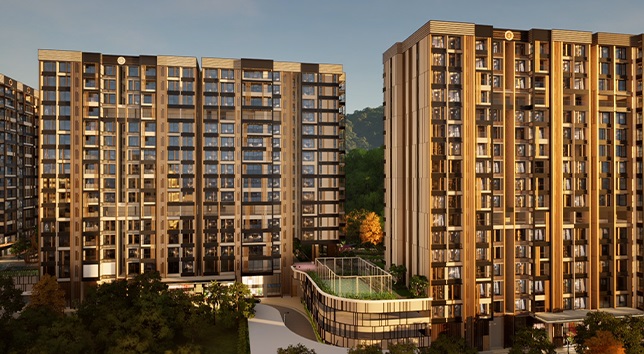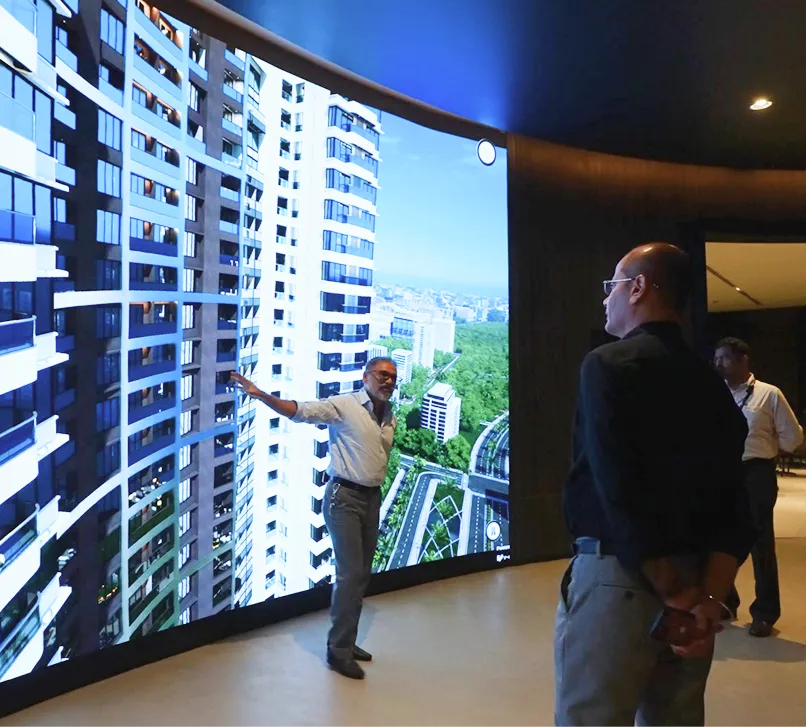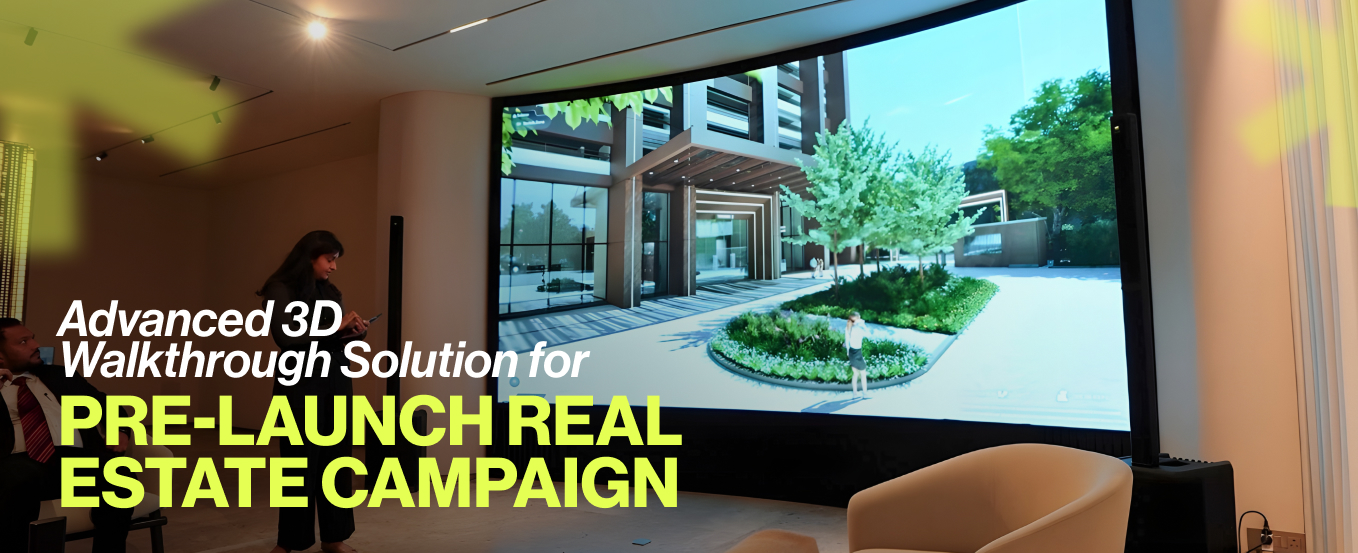
Pre-launch campaigns demand speed and certainty. Developers face pressure to generate qualified leads before groundbreaking. Marketing teams juggle incomplete project data. Sales representatives struggle to articulate unbuilt spaces. This gap between buyer expectations and available assets costs months in timeline slippage and millions in delayed revenue.
The core issue isn't marketing budget. It's visualization clarity.
Why Pre-Launch Property Sales Stall Without Immersive Tools
Pre-launch phases expose operational friction. Physical show flats demand construction cycles—typically 6-12 months before units become viewable. Buyers refuse to commit without seeing spaces firsthand. Render PDFs and static site plans fail to communicate scale, natural light, or spatial relationships. Remote buyers abandon projects entirely due to visualization uncertainty.
Traditional barriers remain fixed:
- Construction timelines lock marketing assets behind physical completion
- 2D renders misrepresent sightlines and ambient qualities
- Site visits drain sales team bandwidth on travel and logistics
- Competitor projects with faster visual deployment capture market share
- Buyer objections surface late in negotiation cycles, killing deals
Marketing heads report 40% lower conversion rates on pre-launch properties compared to completed inventory. The gap widens with location complexity—amenity proximity, traffic patterns, and neighborhood character resist flat representation.
Building Buyer Confidence Through Photorealistic Property Visualization
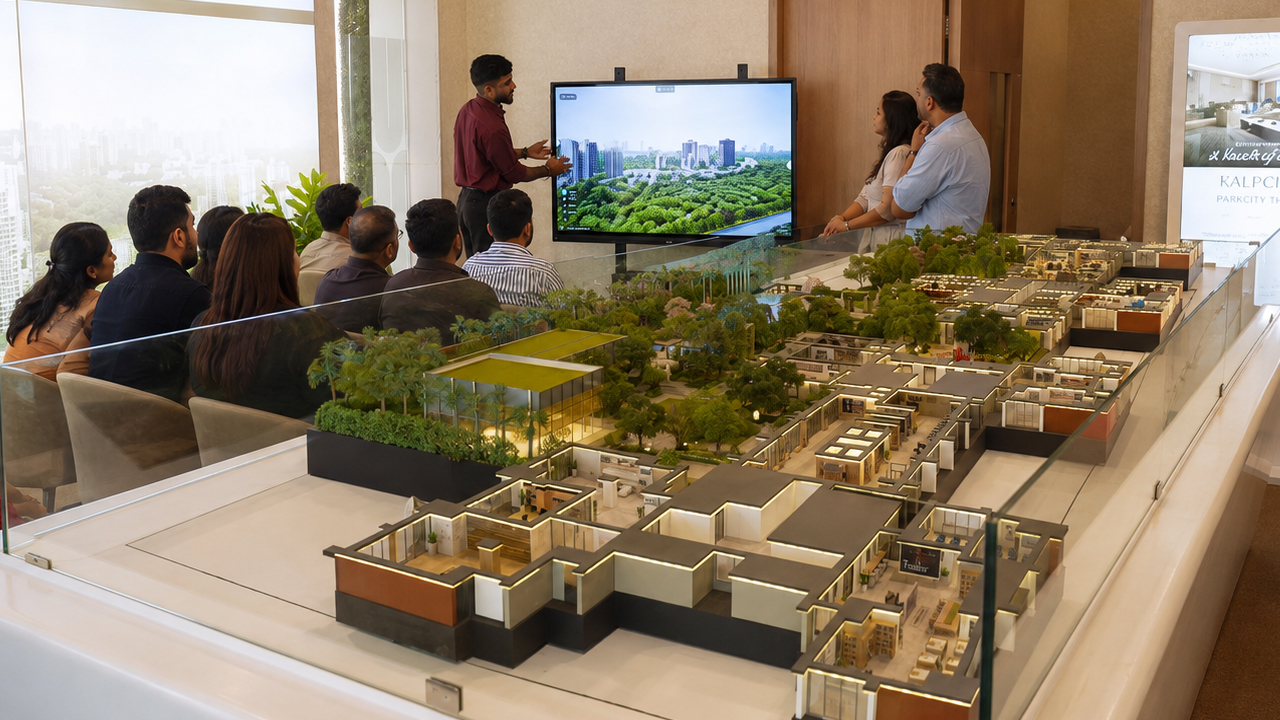
Confidence emerges when buyers see themselves inhabiting spaces. Photorealistic 3D show flats replicate properties with architectural precision. Window perspectives display actual views—morning sunlight flooding east-facing bedrooms, evening horizons from living rooms, nighttime streetscapes from balconies.
This isn't rendered artwork. It's environmental simulation.
A buyer sits on the virtual sofa, looks outward, and observes real-world context—traffic patterns, tree coverage, pedestrian activity, skyline positioning. Sunsets appear as they will appear. Weather shifts render seasonal light changes. The space becomes legible before concrete pours.
Developers input architectural plans. Software generates complete walkthrough assets in days, not months. Marketing teams deploy sales collateral immediately. Show flats run on tablets and laptops without internet dependency. No Wi-Fi failures interrupt sales pitches at events, offices, or client meetings.
Mapping Amenities to Demonstrate Connectivity Value
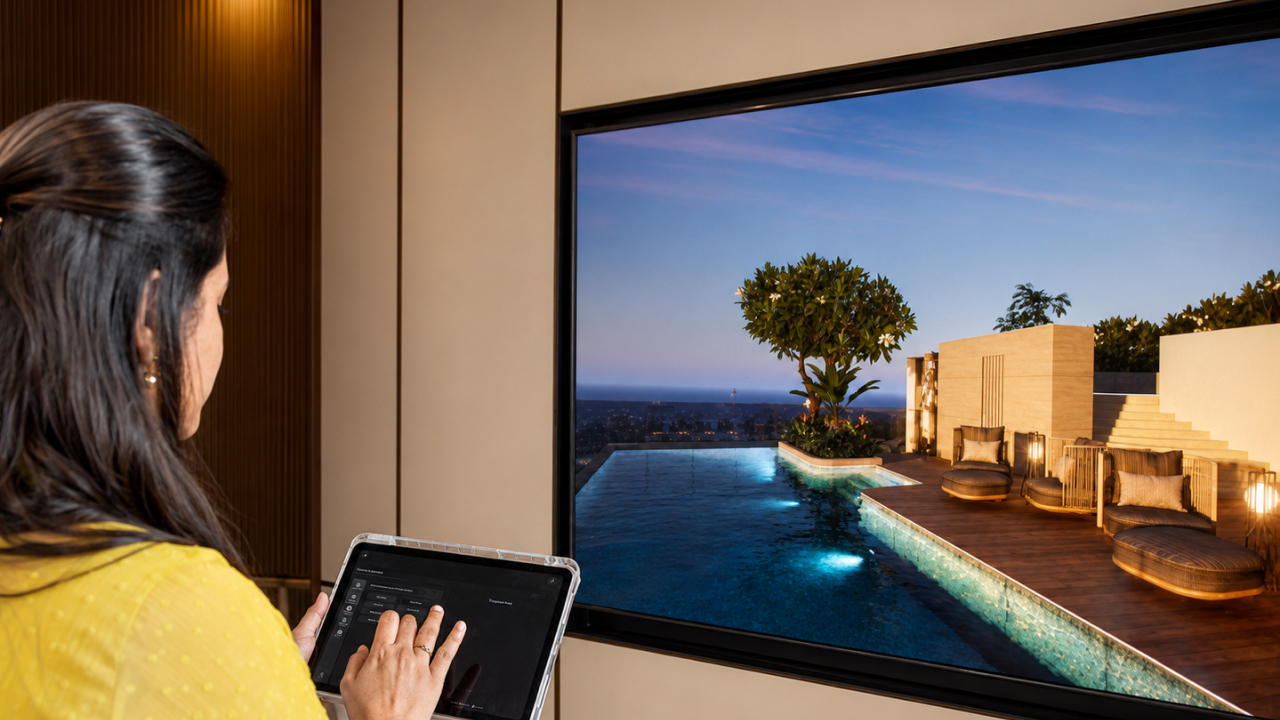
Property value anchors to context. Nearby schools, shopping, healthcare, transit, and recreation define lifestyle utility. Buyers fixate on commute times, convenience access, and neighborhood positioning. Static site maps obscure this reality.
Interactive amenity overlays change this dynamic.
3D tour environments layer current infrastructure alongside planned development. Buyers assess schools within walking distance. They trace transit routes to employment hubs. They identify shopping centers, parks, and healthcare facilities with spatial clarity. Upcoming projects appear in context—future neighborhood transformation becomes visible, not speculative.
Connectivity visuals accelerate decision-making. Developers highlight location edges that render-only marketing misses. Marketing teams integrate amenity mapping into presentation flows, eliminating site visit necessity for preliminary qualification.
Customisation Controls That Shift Buyer Psychology
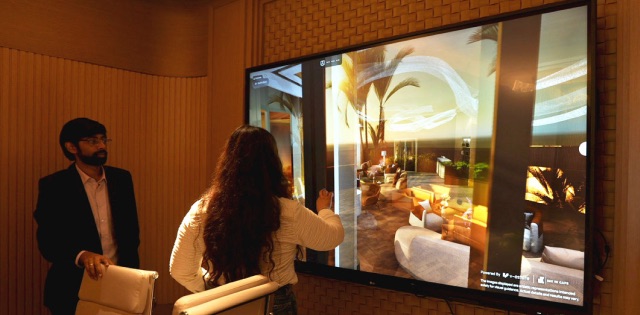
Buyers engage deeper when they author their own vision. Wall colors adjust with single clicks. Furniture selections populate spaces in real-time. Flooring materials update across layouts. Window treatments reframe sightlines.
Dynamic customization converts passive viewing into active ownership planning.
Sales representatives demonstrate upgrade paths on-site. Buyers test material choices instantly. Objections about color compatibility or furniture scale disappear when visualized rather than imagined. Decision-making confidence rises proportionally to visualization control.
Offline functionality matters here. Demo stalls vanish. Sales reps adjust settings live without software dependencies. Leads engage longer, deeper, with higher intent signals. Retention climbs as buyers invest mental effort into personalizing spaces.
Dynamic Lighting and Seasonal Controls for Complete Property Understanding
Natural light quality varies dramatically across day-night and seasonal cycles. Bedrooms receive morning sun in winter, afternoon shadow in summer. Living spaces brighten differently based on time of day. Buyers need seasonal and temporal context to evaluate spaces accurately.
Dynamic lighting controls simulate dawn-to-dusk transitions. Weather controls render sunny afternoons versus rainy days. Buyers gauge natural light quality during their actual daily routines—morning coffee viewing, midday work-from-home scenarios, evening relaxation perspectives.
Marketing teams address seasonal concerns proactively. Winter light patterns appear alongside summer brightness. Year-round livability becomes transparent. Objections about insufficient daylight surface and resolve during tours, not after purchase commitment.
Offline activation shines in field deployment. Sales representatives adjust settings instantly. No downloads or lag interrupts momentum. Developers eliminate revision cycles on visual assets—one 3D environment serves unlimited exploration scenarios.
Consolidating the Entire Property Buying Journey
Fragmented tools fragment buyer experience. Buyers jump between site plans, renders, neighborhood maps, and specification documents. Context switches kill momentum. Questions linger unanswered.
Unified immersive environments compress this journey.
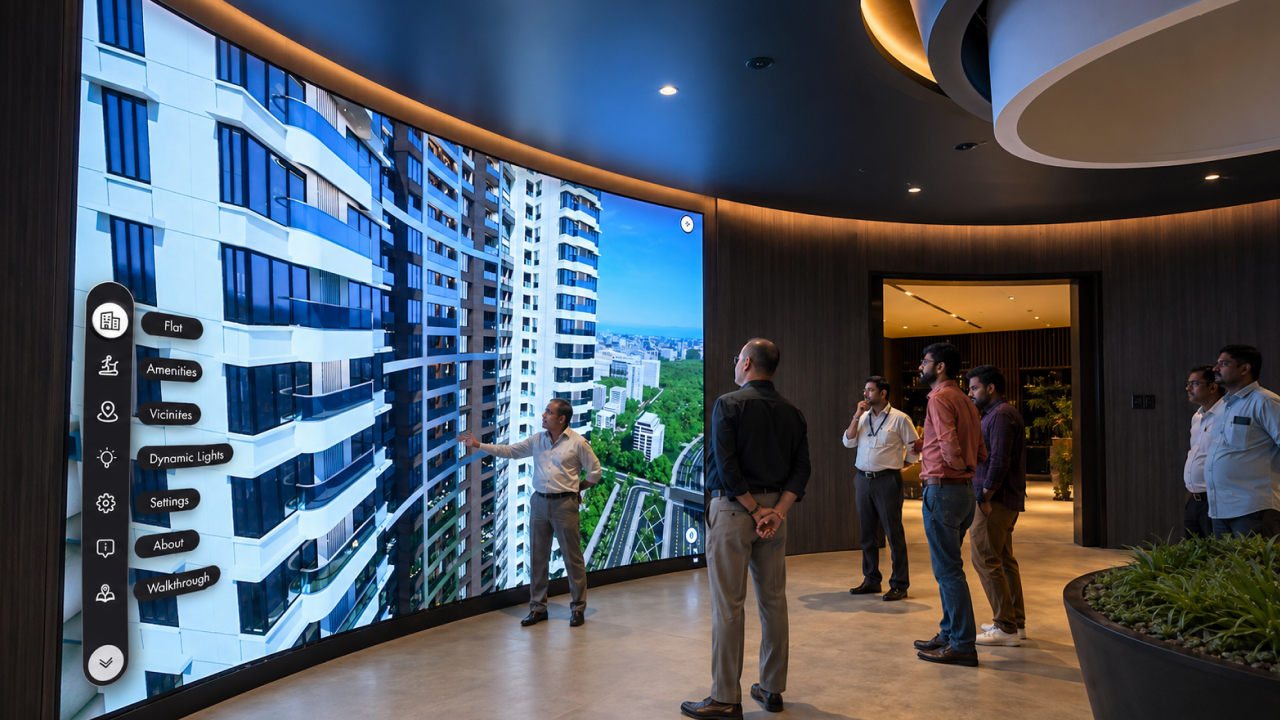
Complete property visualization merges photorealistic walkthrough, amenity mapping, customization controls, and dynamic environmental simulation. Buyers explore floorplans in 3D. They test material selections. They assess connectivity. They simulate daily routines. They develop informed preferences. All within one immersive environment.
Pre-launch developers save timeline weeks. Mockup construction phases compress or disappear. Cost structures shift from physical asset creation to digital asset generation—dramatically reducing pre-launch marketing expenditure. Lead conversion accelerates through visualization certainty.
Offline Deployment Addresses Real Market Constraints

India's real estate sector operates under specific constraints. Power inconsistency, internet reliability issues, and logistics complexity demand offline-capable solutions. Sales teams work at trade shows, broker networks, and client offices—environments without guaranteed connectivity.
Offline activation removes technical friction. Tours run smoothly on tablets and laptops regardless of WiFi availability. Sales teams deploy presentations anywhere. No infrastructure dependencies limit deployment flexibility.
Measuring Impact on Pre-Launch Conversions
Data reveals measurable improvements. Lead engagement duration increases 3x versus render-only presentations. Customization interaction uncovers hidden objections early, improving qualification efficiency.
Retention metrics show meaningful gains. Buyers return for refinement sessions. Repeat tour visitors convert at rates exceeding first-time viewers. Long-term sales velocity improves as buyer confidence builds through iterative visualization.
Cost structures shift favorably. Offline deployment eliminates hosting fees. Travel and logistics costs decrease. Marketing automation reduces manual touchpoints. Time savings redirect toward sales velocity rather than administrative overhead.
.jpeg)
%20(1).jpg)