The way real estate is marketed has changed a lot over the last few years. As technology has evolved, so have buyers' expectations. Today, clients don't just want to look at brochures, talk to the sales team, or go for site visits. To impress a buyer, developers need to present their projects in a way that shows they are not just selling what the competition offers, but going above and beyond in innovation. This is where 3D solutions come in, because before a buyer even gets to visit their future home in person, this software is what gives them the first impression of the project.
What are 3D Solutions for Real Estate?
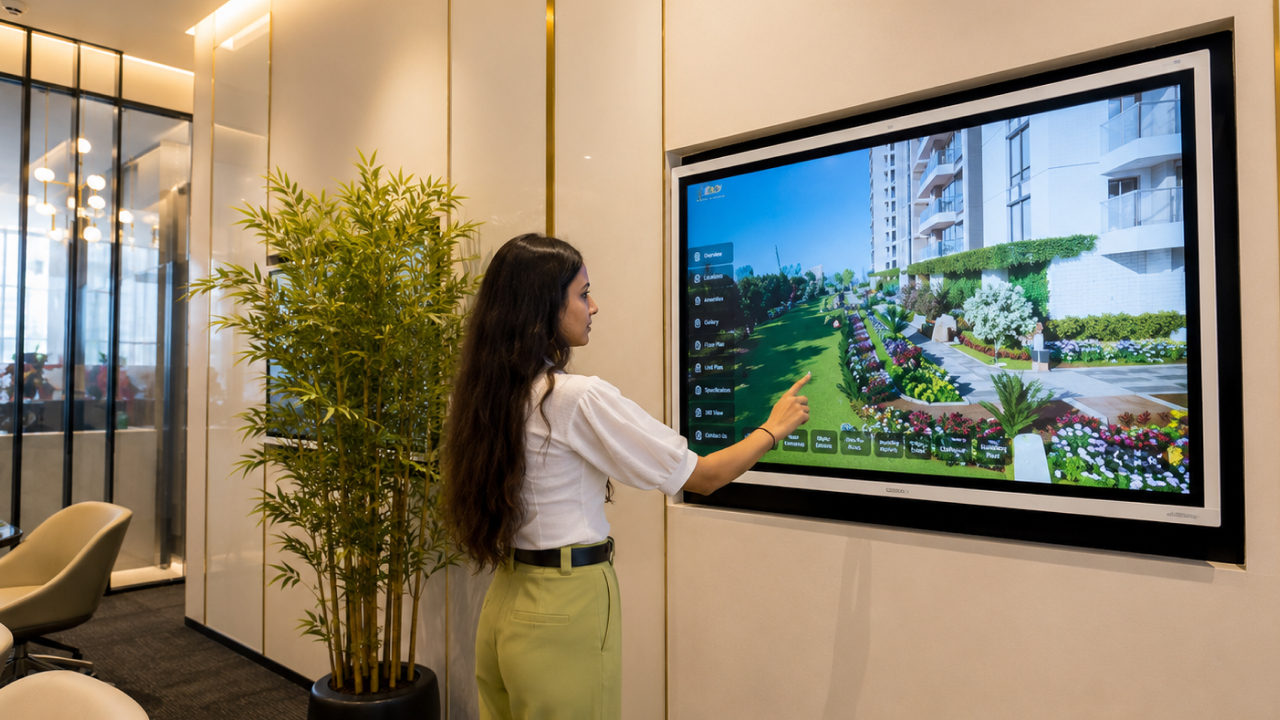
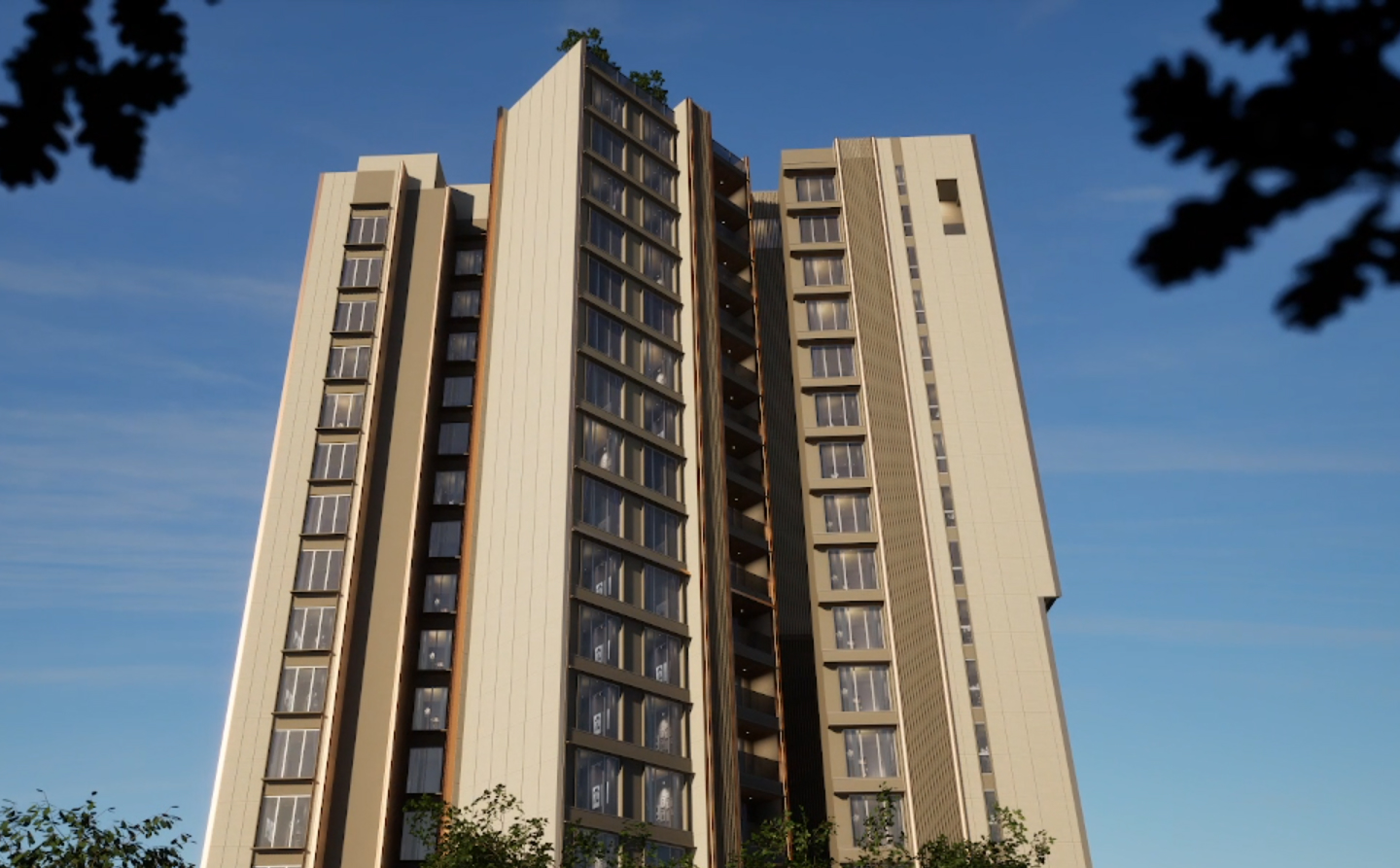
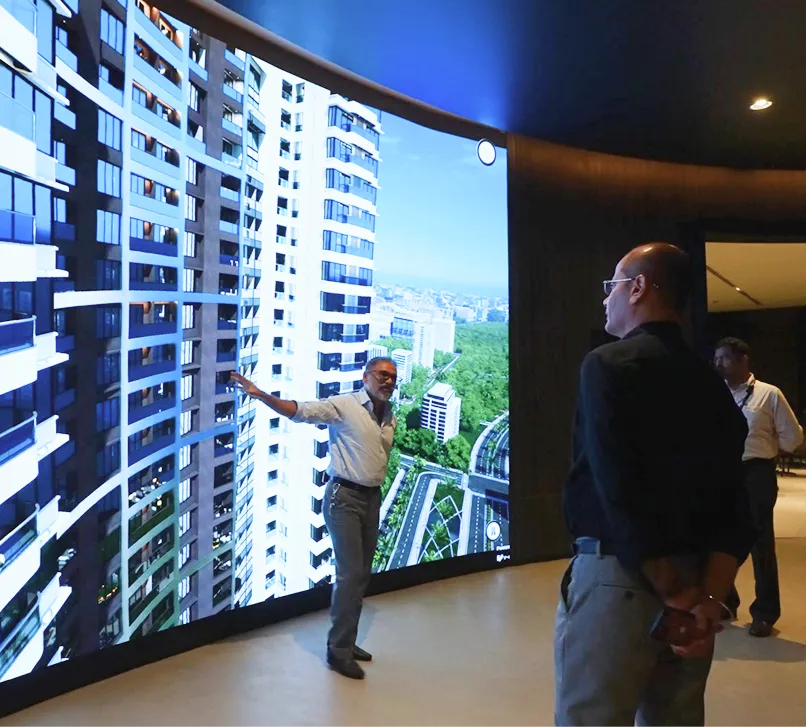
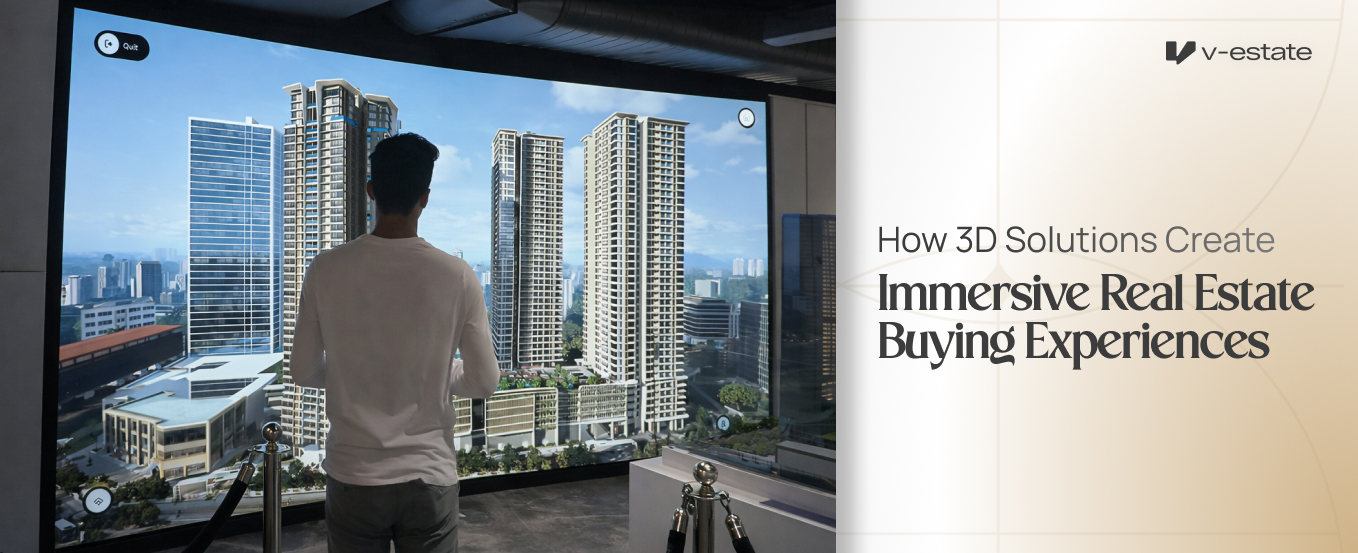
3D Solutions for real estate refers to using 3D technology to improve property visualization for buyers, stakeholders, or any party interested in learning more about a property. These technologies often make the renders available in an interactive digital or virtual environment, making them more engaging. The reason people prefer these solutions over something simple like floor plans or brochures is mainly because of all the additional explorable features they have to offer.
Some common examples of these solutions include:
- High-quality 3D architectural visualizations
- Photorealistic 3D renders
- Interactive virtual tours
- Digital twins
- AR experiences
- VR experiences
- Window view simulations
Why 3D Visualization is Important in the Real Estate Industry
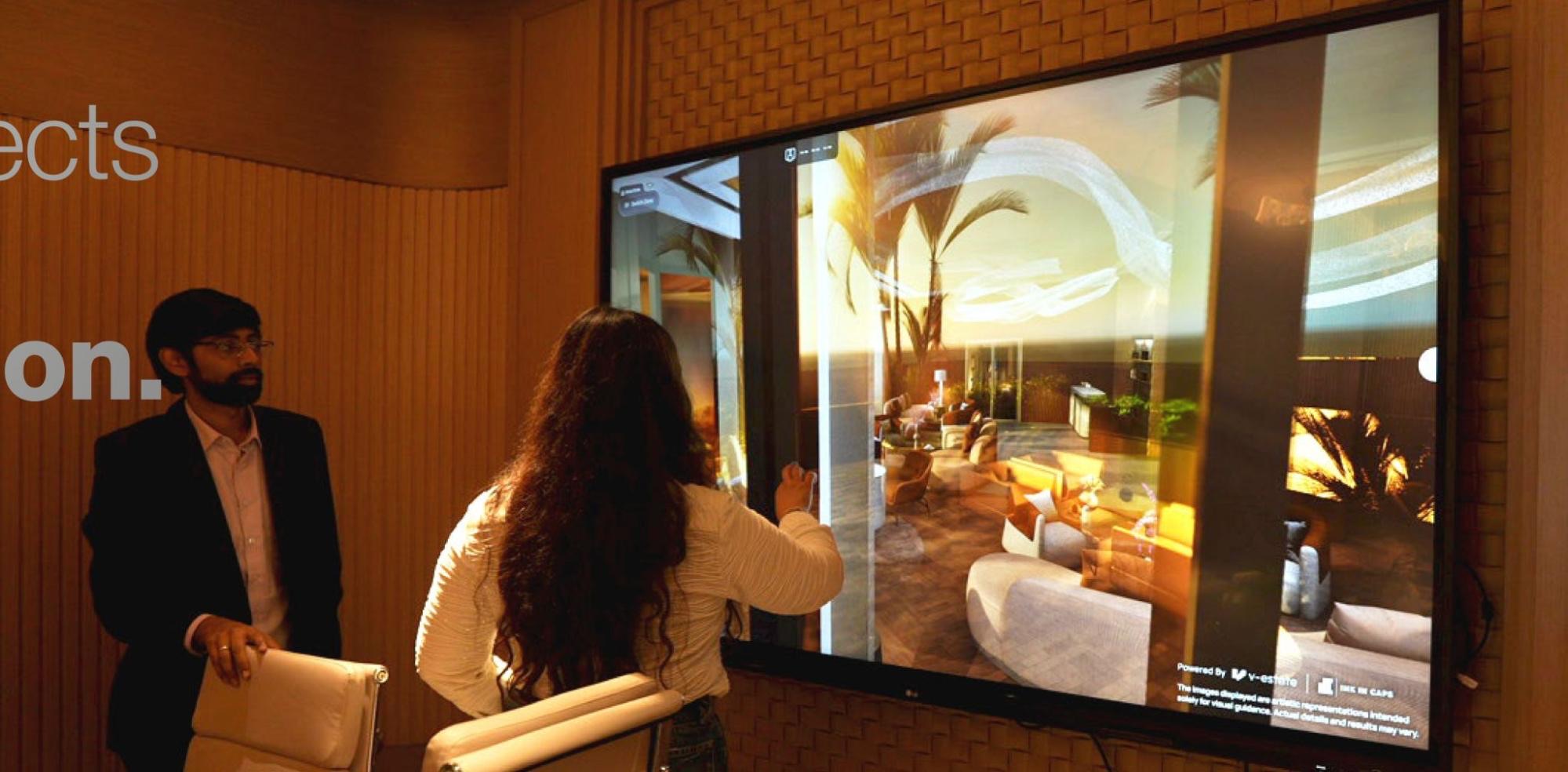
Buying property is a complex process for most buyers; they don't just compare available options, check out amenities, or consider how the property connects to the neighbourhood. While these questions are important, today's buyers also want to know what their window view would look like, how the lighting would feel during different times of the day or weather, if their new home is compatible with their lifestyle, how the neighbourhood is, and more.
All of these questions are valid, but can't be simply answered when a salesperson uses sales tools like static images or brochures to showcase a developer's project. With these traditional marketing means, a lot of the project's understanding comes down to the buyer's imagination and how well the salesperson can explain. This often leads to misunderstanding and confusion. However, these aren't the problems one has to face when they use 3D Visualization software.
How 3D Visualization Software Helps Real Estate Agents
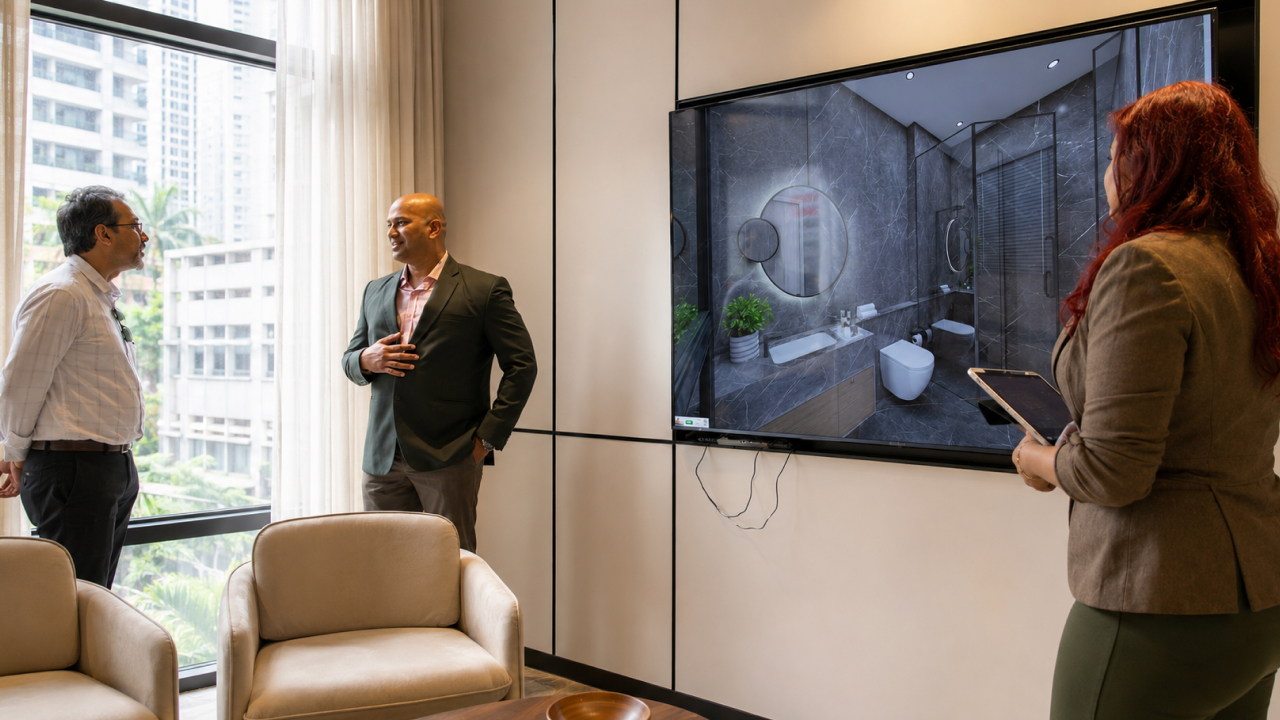
With 3D solutions, real estate agents get to show all the features of a property to buyers in a way that keeps them engaged. Additionally, it also ensures that by the end of the session, they have a clear understanding of what to expect from their new home. Here are some common benefits that these software offer:
Sales Can Begin While the Project Is Under Development
This is probably the biggest advantage that 3D solutions give developers: the ability to sell flats while the project is still under construction. When following the traditional route, a developer would have to wait for the site to be ready to showcase to stakeholders or potential buyers, and actually have something for them to see.
This isn't the case with 3D visualization tools. Developers can work with designers to create their vision virtually. Thus, stakeholders or buyers get to see everything they can expect from the project once it is complete. As such, it doesn't matter if the site is still under construction, as the sales can continue through virtual tours.
Improved Visualization
When real estate agents use 3D renders to showcase a property, they get the option to show it from multiple angles. This gives buyers a better experience as they don't have to look at a 2d image and imagine what the rest of their house would look like. This puts 3D software ahead of a tool like floor plans, simply due to the former being more versatile.
Buyer Stays Engaged
Another major advantage of using interactive virtual tours is that it gives buyers control of the journey. For example, when a salesperson shows buyers a video tour, the buyer only gets to see what is available in the video. If the video is interesting, they might pay attention; if it isn't, they may get distracted and miss out on things that might be important information.
But when buyers are given interactive virtual tours, they get to decide how and what to explore first. This makes every journey unique because one buyer may start checking out the hall first, while the other goes for the master bedroom. However, regardless of what they choose to explore first, what matters is that the buyer stays engaged. Better engagement leads to more confidence in the developer, thus increasing the chances of the interaction leading to sales.
Developers Get Data
While the above benefits of 3d software can be seen as more focused for the buyers, getting user behaviour data is something that developers or property marketers can benefit from. When a developer uses 3D solutions, there is a lot of buyer data that becomes available after each interaction. Real estate agents can then study this data and use it to make changes to their strategies on how to market the flats to the right target audience. Almost all of this data gets completely missed when property marketers choose to go with traditional sales tools instead of interactive software.
To conclude, no matter if you are a developer who is building their next project for the mid-range, luxury, or ultra luxury market, 3D solutions are now becoming the industry standard. When set up right, they offer lots of benefits both to the buyers and the developers. The most important of them all is that it lets buyers know that the developer keeps up with the latest technology, which further builds trust in them.
Book a demo with us now to schedule a meeting with our team of experts at V-Estate. We will sit together to discuss your project and come up with the perfect 3D visualization solutions that are designed to work for you and give you the results that you are looking for!